Parenting
Why Babies Cry When You Leave the Room: Separation Anxiety Explained
Babies cry when you leave the room due to separation anxiety, which starts at 8 months and peaks at 10 to 18 months. Here is why it happens
 Monday, October 12, 2026
Rive News Babies: the first year, explained kindly. Sleep, feeding, and development questions with research-backed answers.
Babies cry when you leave the room due to separation anxiety, which starts at 8 months and peaks at 10 to 18 months. Here is why it happens
Toddlers throw food to test cause and effect and signal they are done. Experts explain the developmental causes and the calm responses that
Babies mouth objects because their mouths carry the most nerve endings of any body part. Why it is normal, when mouthing stops, and how

Babies typically get their first tooth between 6 and 10 months. Learn the month-by-month teething timeline, real symptoms, and myths
Baby-led weaning and purees produce similar growth by 12 months, a 2026 study of 150 infants found. Readiness signs, pros, cons, and safe
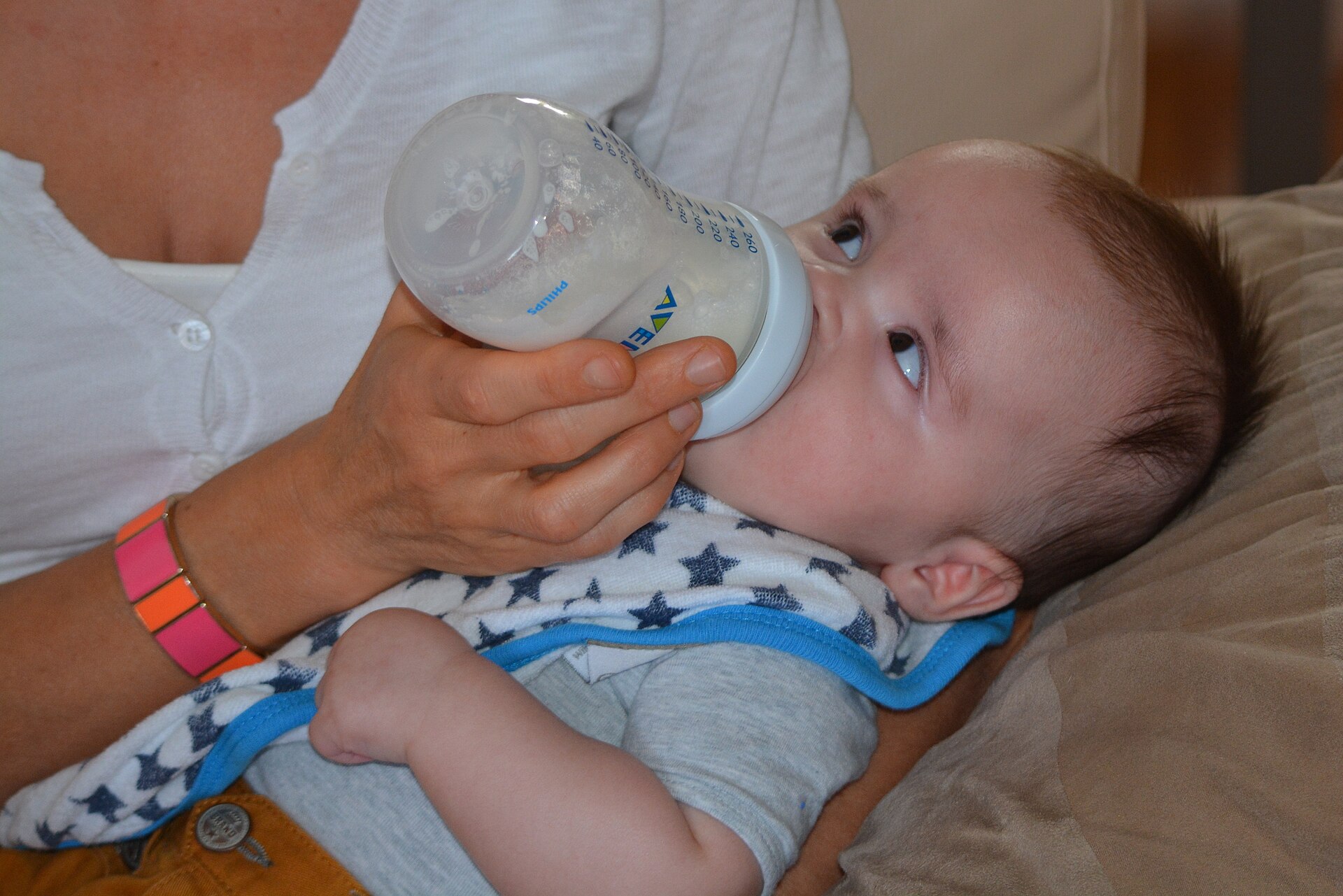
Most babies can drop night feeds between 4 and 6 months. Learn the readiness signs, a gentle two-week method, and how to keep daytime
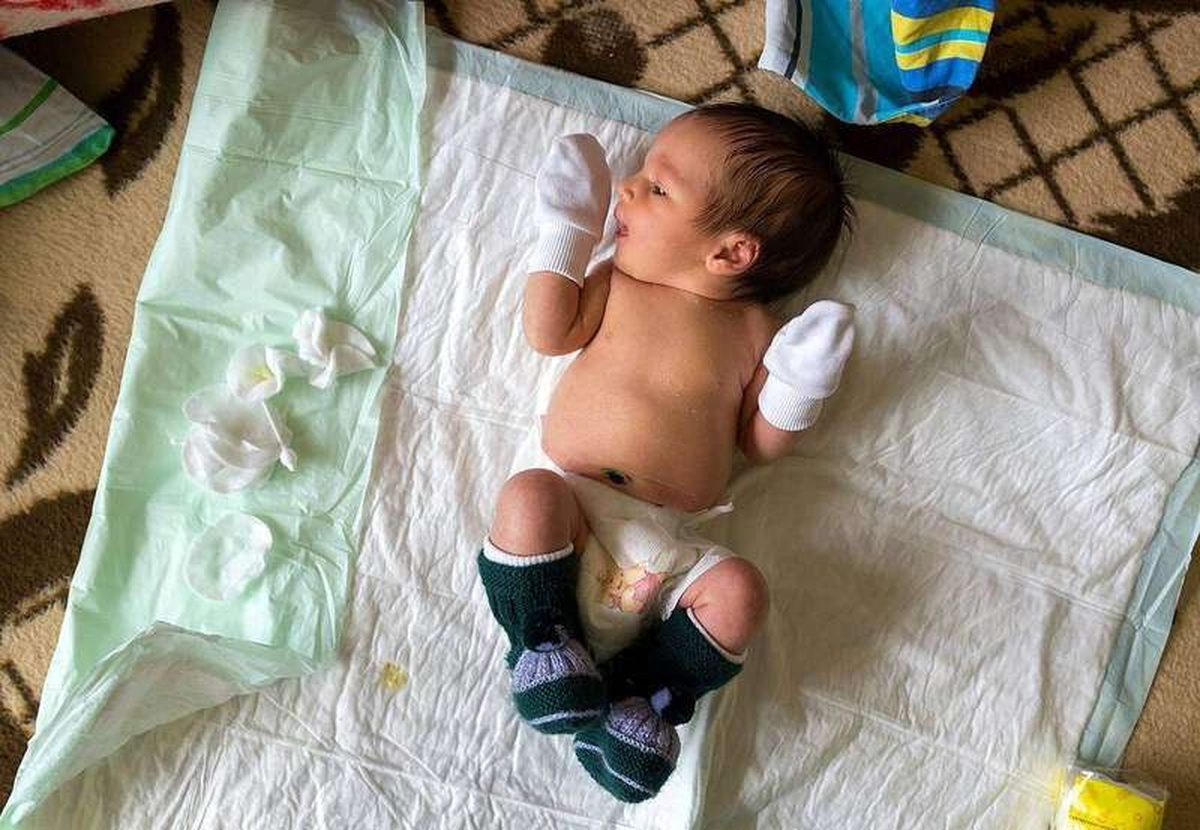
The witching hour is the fussy evening stretch most newborns hit daily. Why overtiredness, cluster feeding, and overstimulation stack up
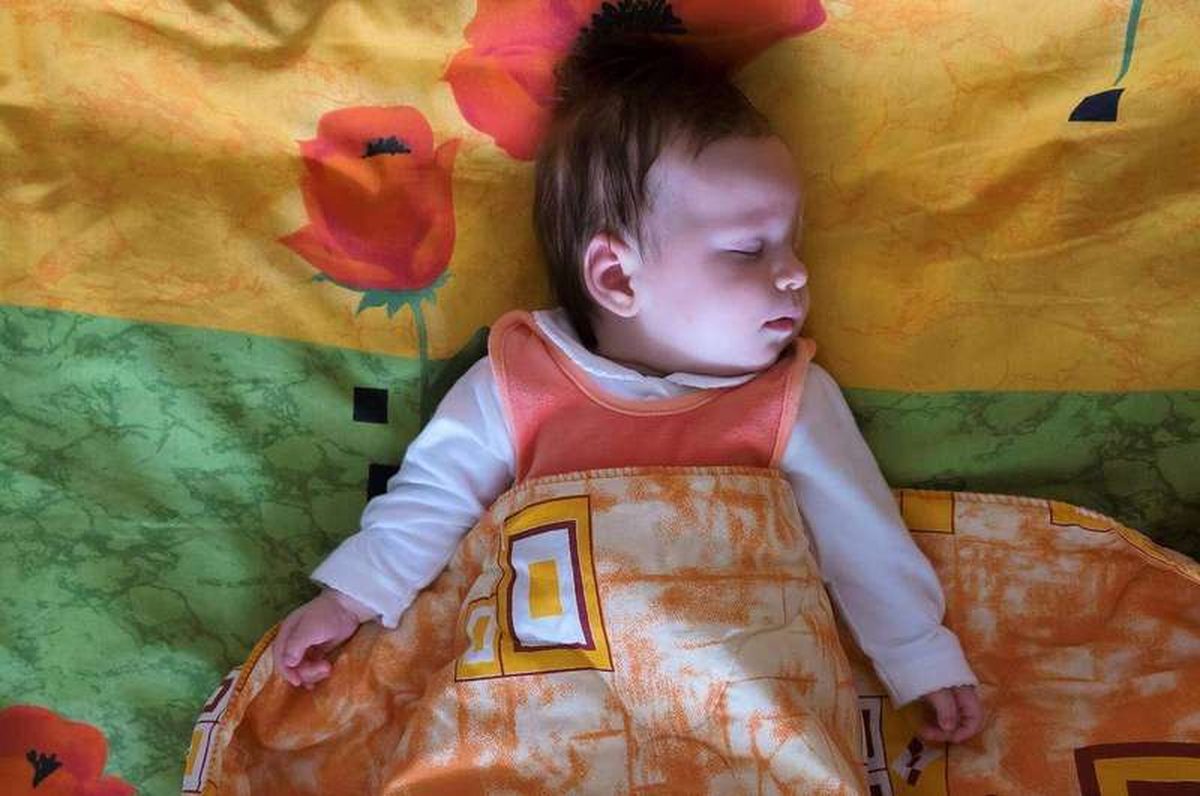
Most babies sleep through the night between 3 and 6 months, with regressions at 4 and 8 to 10 months. See the month-by-month table
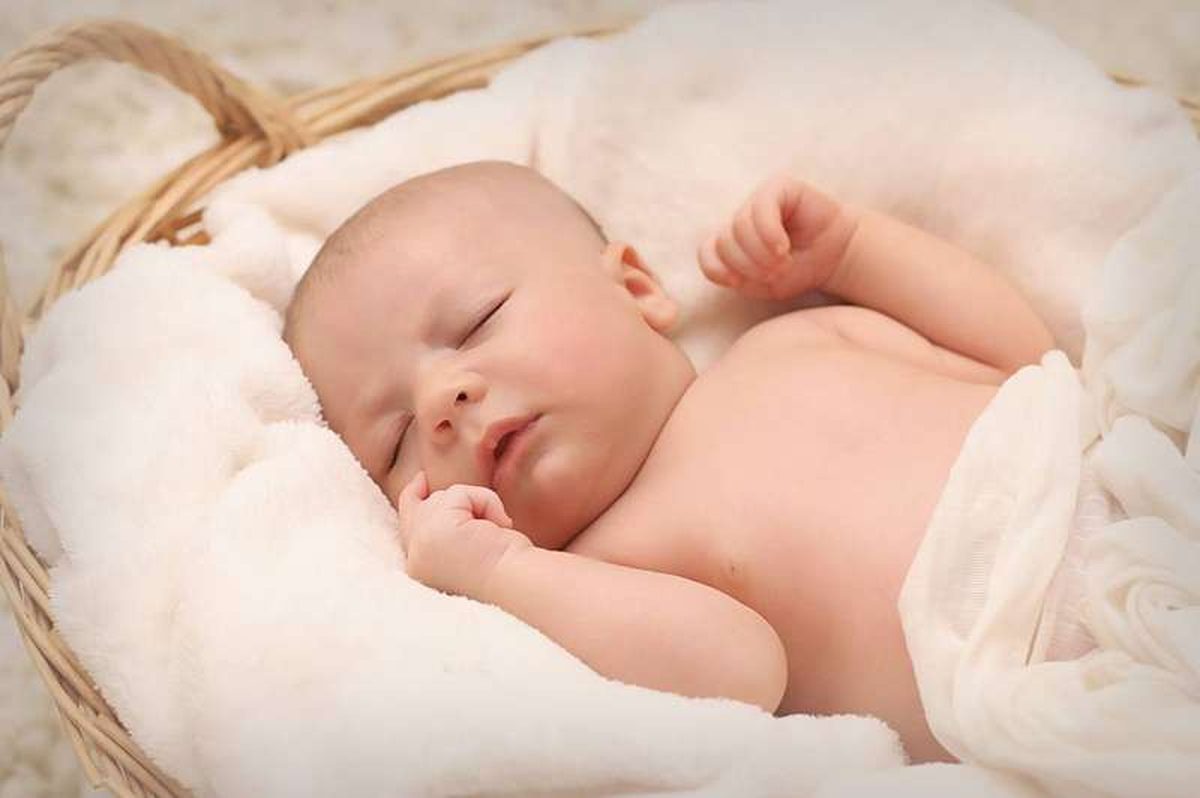
Newborns wake when put down as the startle reflex, light sleep, and lost warmth hit at once. It is normal and peaks early, fading
Most six-month-olds take three naps a day inside 2 to 3 hour wake windows. Here is the schedule, why it works, and how to spot when a nap
A wake window is how long a baby can stay awake between naps: 45-60 minutes for newborns, stretching to 5-6 hours by age two. The full
Around 4 months a baby's brain rewires sleep into adult-like 45-minute cycles with light sleep between them. What is really happening