
Finance
What is a balance transfer fee really costing you?
Balance transfer fees run 3% to 5% of the debt you move, added to your balance on day one. On $5,000 that is $150 to $250, before interest
 Monday, October 12, 2026
Rive News Credit Cards: how credit cards really work. APR, grace periods, rewards, and debt traps explained plainly.
Balance transfer fees run 3% to 5% of the debt you move, added to your balance on day one. On $5,000 that is $150 to $250, before interest
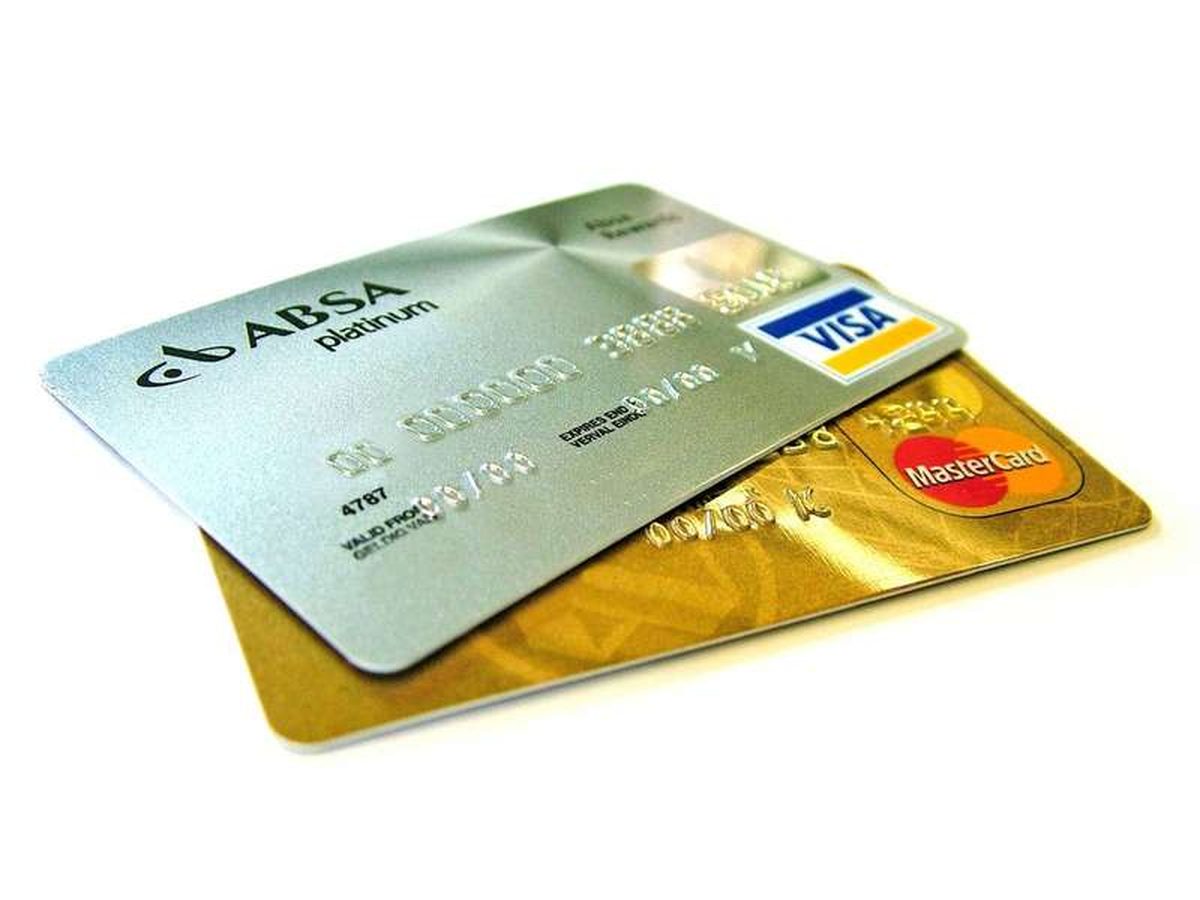
Lenders divide your APR by 365 for a daily rate, then apply it to your average daily balance. This guide walks through every step
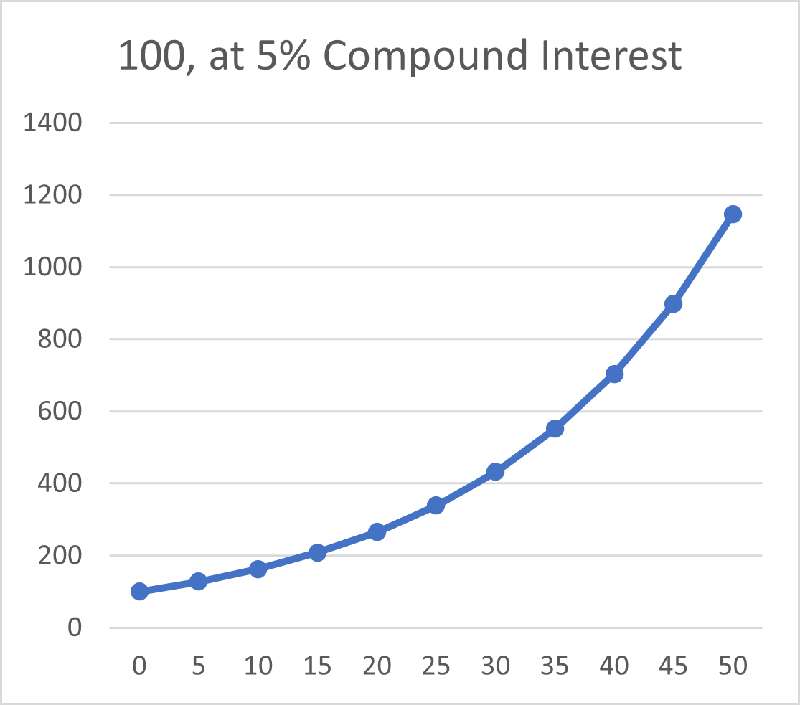
APR ignores compounding inside the year; the effective annual rate includes it. A 12.99% APR card really costs 13.80% a year. Worked
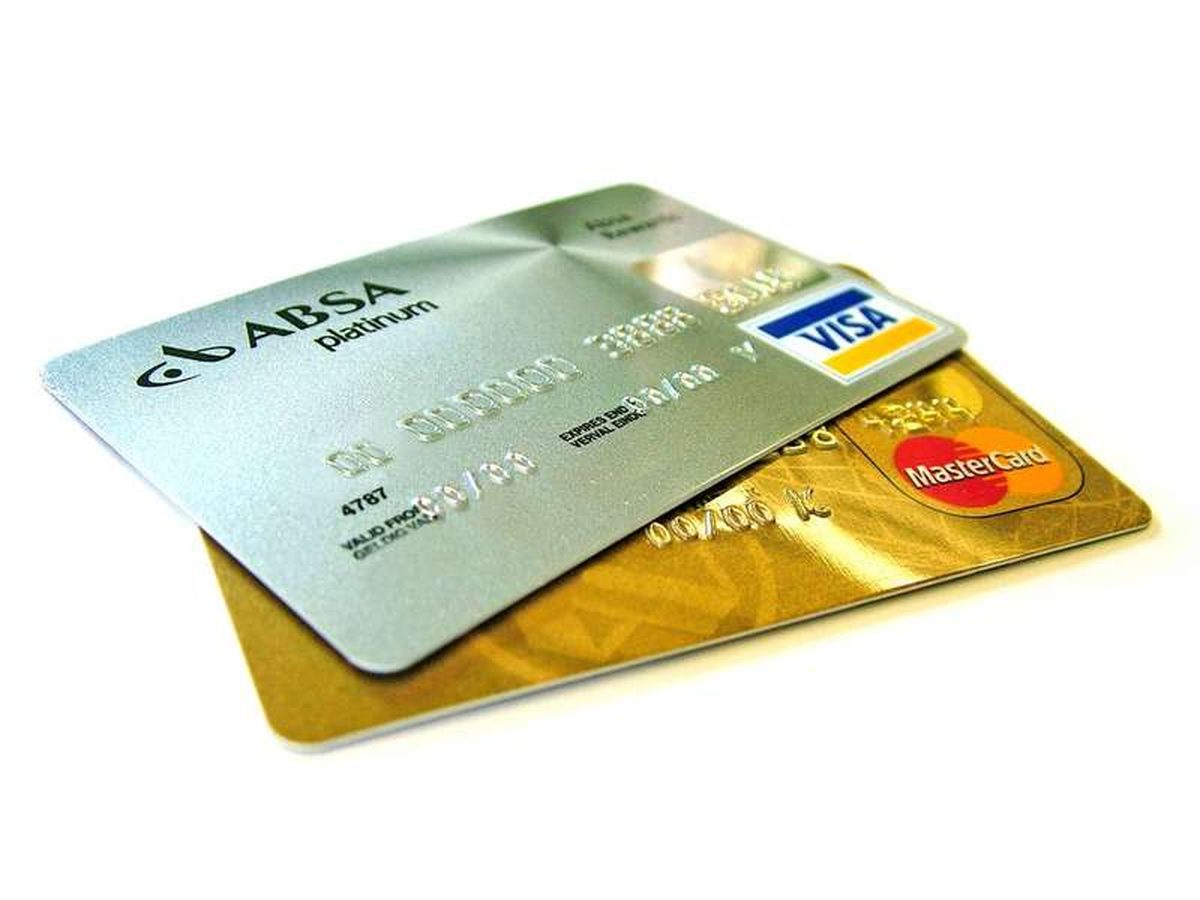
Cash advances charge interest from day one, with fees of 3-5% and APRs up to 29.99%. Why issuers skip the grace period, and what a $1,000
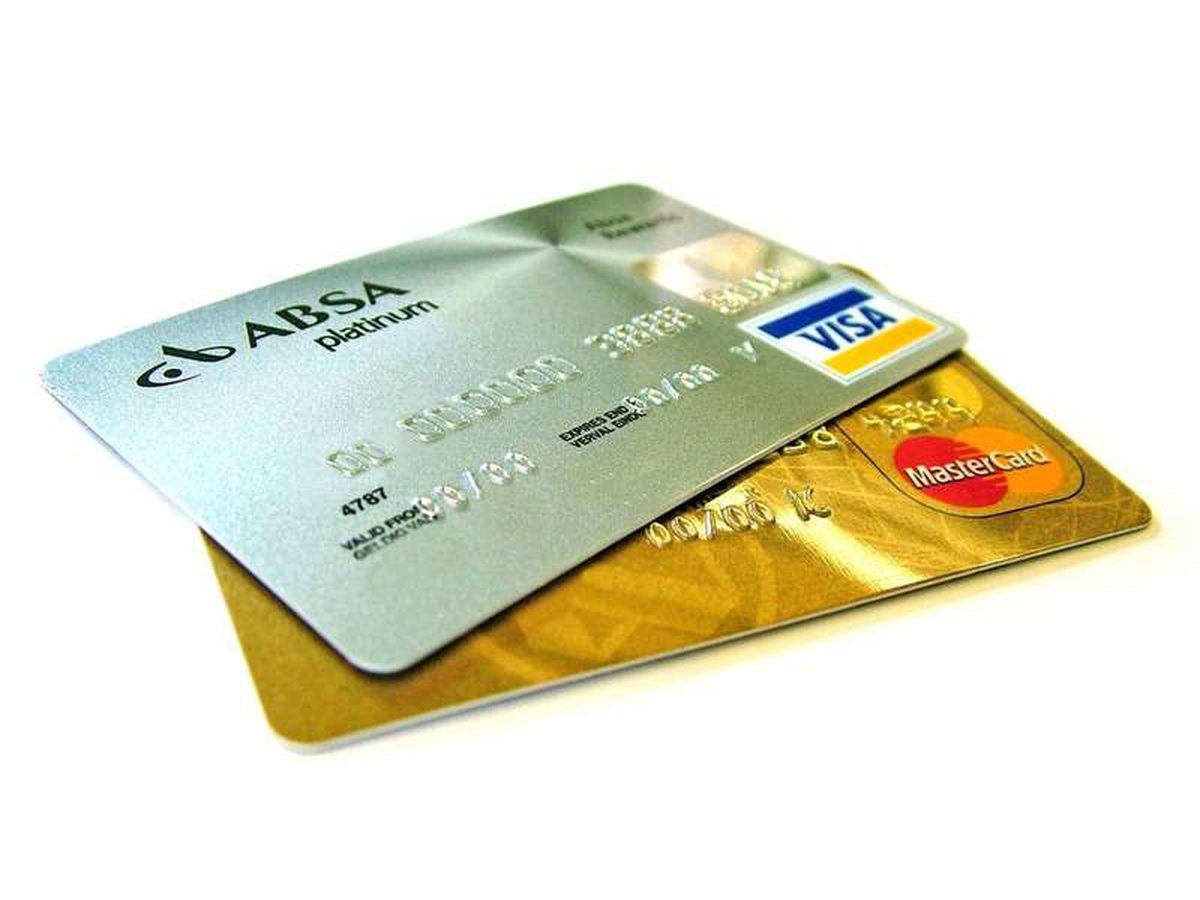
A credit card grace period is the interest-free window between your statement date and due date. Miss a full payment and you lose it on new
Your APR becomes a daily rate applied to your average daily balance every day. Follow the math with a worked $1,000 example
A 2% rewards card earns $200 on $10,000 of spending, but a $2,000 balance at 22% APR costs about $440 a year in interest. The math shows
A daily periodic rate is your APR divided by 365, applied to your average daily balance each day. Worked examples show exactly how

A $5,000 balance at 22% APR takes 19 years to clear on minimum payments, costing $8,100 in interest. Here is the math behind