
Finance
How a 401k Employer Match Works: Formulas, Vesting, and 2026 Limits
A 401k employer match is extra pay tied to your savings rate. Learn the common 50%-up-to-6% formula, 2026 IRS contribution limits,
 Monday, October 12, 2026
Rive News Banking: where your money lives. Savings accounts, 401ks, IRAs, and bank fees explained in plain language.
A 401k employer match is extra pay tied to your savings rate. Learn the common 50%-up-to-6% formula, 2026 IRS contribution limits,

Banks offer cash signup bonuses as acquisition spending, betting your deposits stay for decades. Learn the key requirements, taxes,

Your 401k does not vanish when you quit. Compare the four options after leaving, learn the $7,000 force-out rule, and see why cashing out
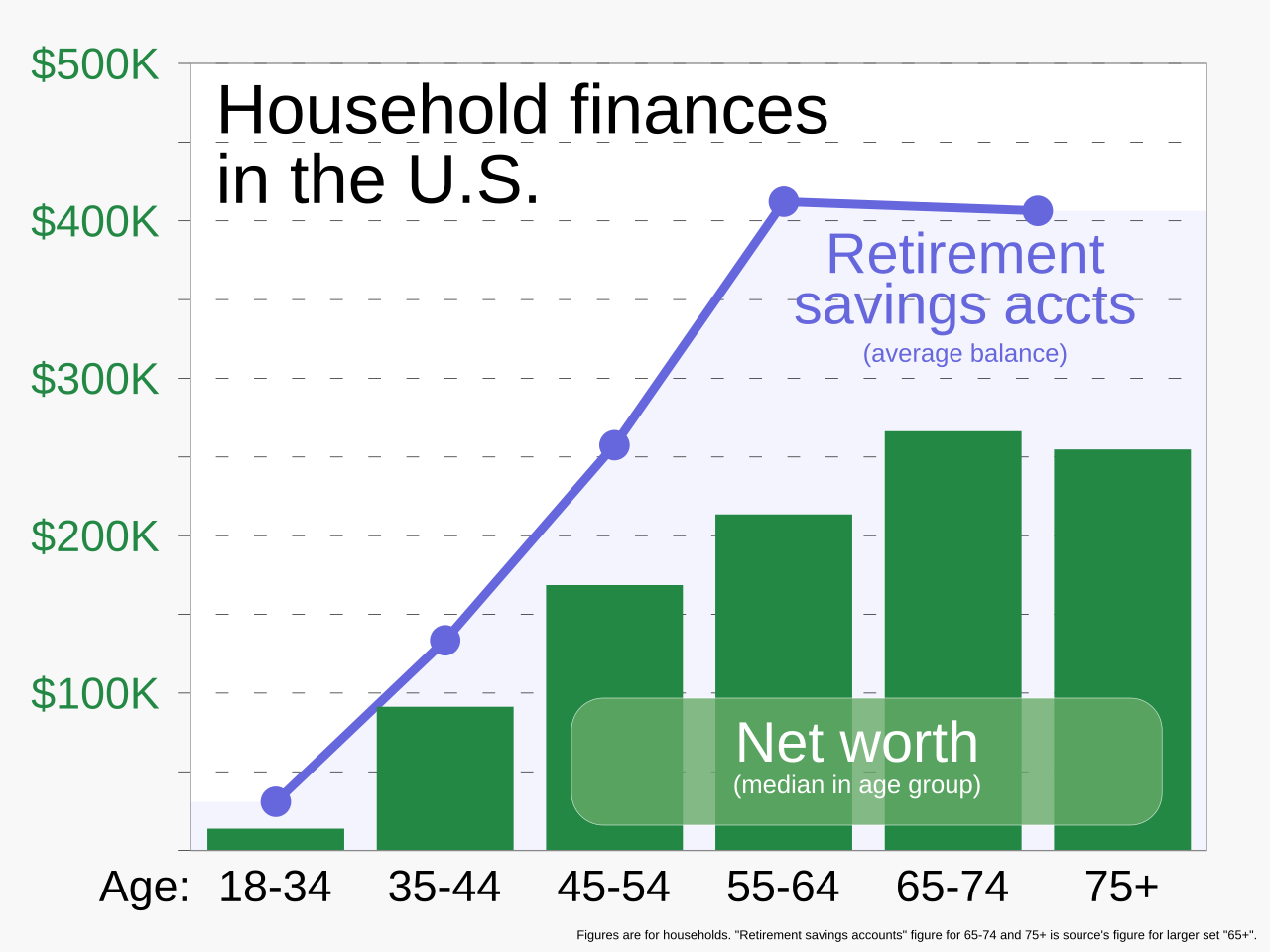
Roth and traditional IRAs differ in one key way: when you pay taxes. This plain guide covers 2026 limits, income rules, withdrawals,
If your bank fails, FDIC insurance protects deposits up to $250,000 per depositor per bank, usually paid by the next business day. Here

APY includes compounding; the interest rate does not. A 5% rate compounded monthly is really 5.12% APY. Here is how the math works and what

Free checking is profitable three ways: the spread on your deposits, overdraft fees worth $5.8 billion in 2023, and interchange on every
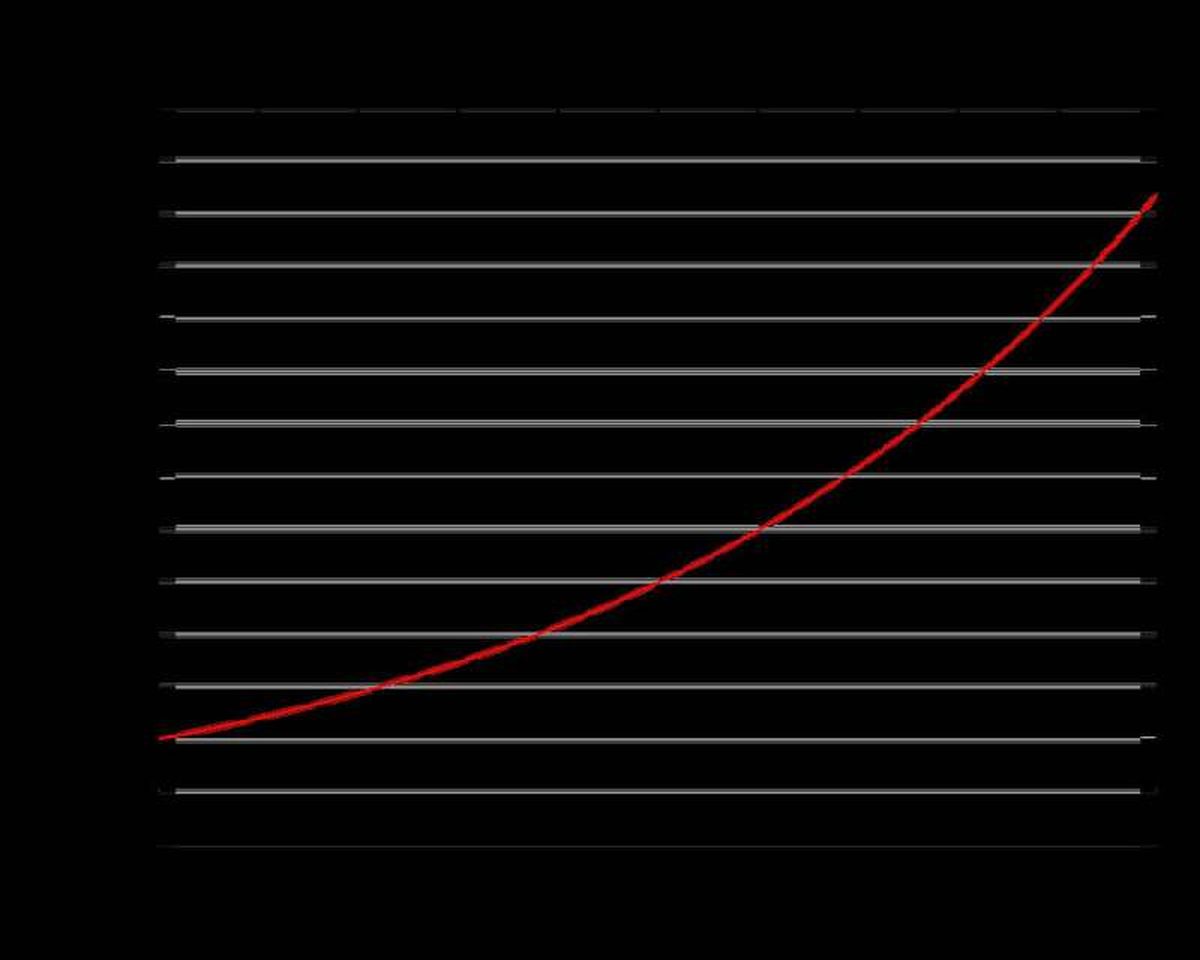
Compound interest means earning interest on your interest. See how rate, compounding frequency, and time shape your savings, with a worked

A high-yield savings account pays far more interest than a regular savings account. Learn how APY works, how the FDIC protects you, and how
A savings account paying 0.37 percent while prices rise 2.4 percent loses purchasing power yearly. The nominal-minus-inflation math
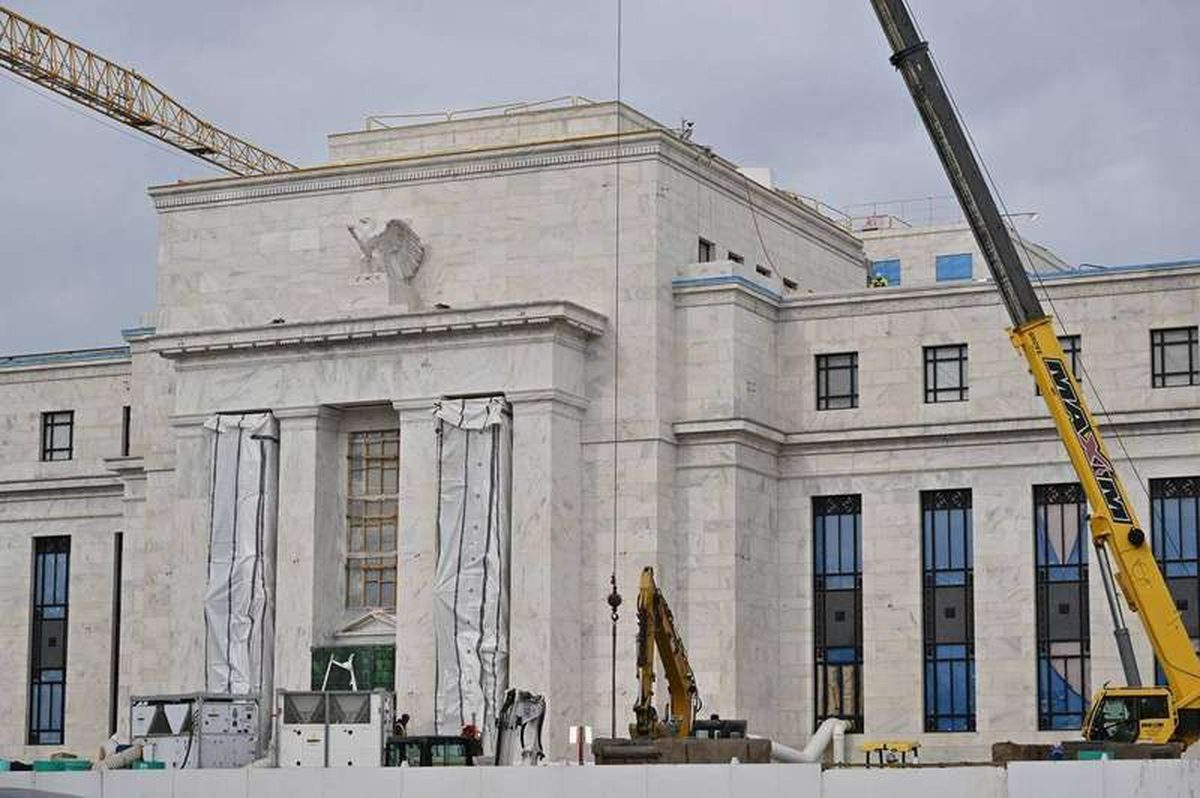
Your savings rate tracks the Federal Reserve's benchmark more than your bank's mood. How FOMC decisions move APYs, why banks