Auto
Why Does My Car Hesitate When Accelerating From a Stop?
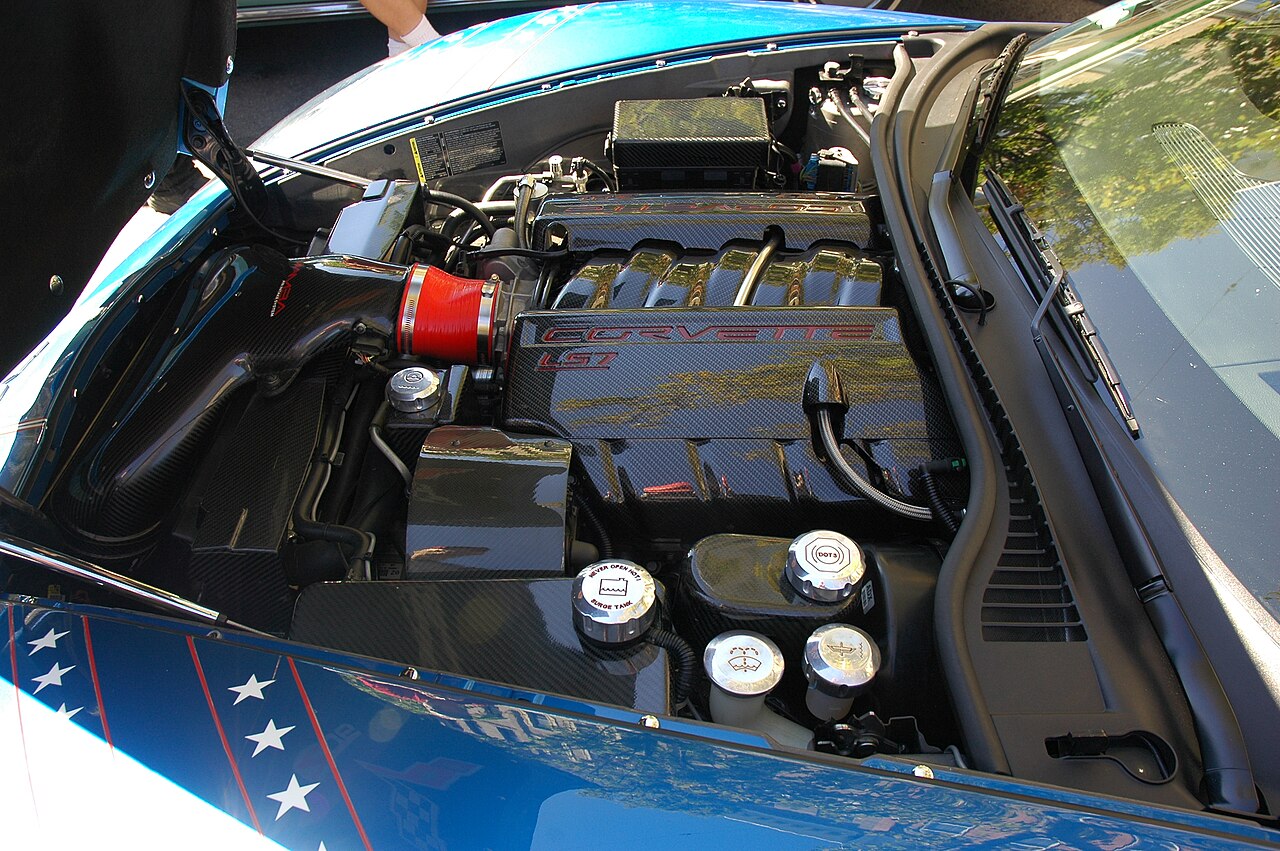
A car that hesitates accelerating from a stop usually has worn spark plugs, a dirty airflow sensor, or a fuel delivery fault. Here are
 Monday, October 12, 2026
The latest auto explainers on Rive News: sourced, human-written guides. Browse topics or read the newest stories below.
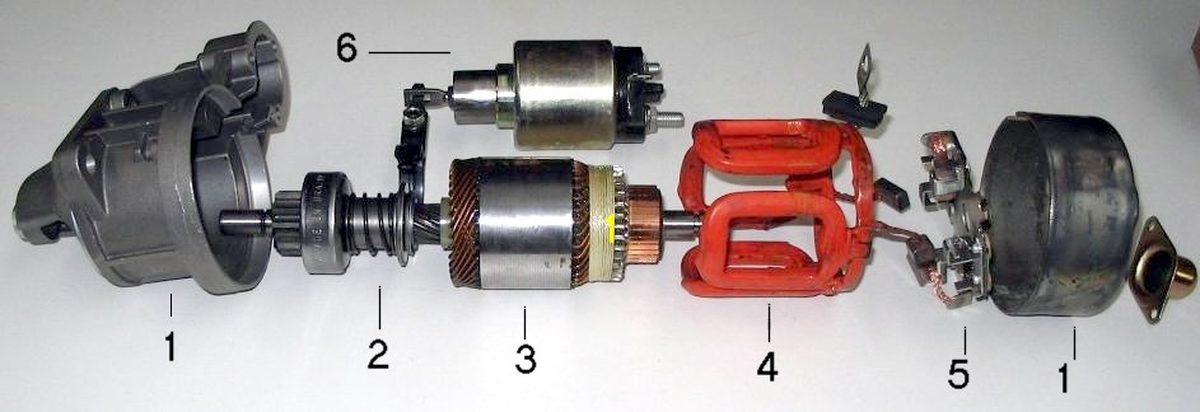
A grinding noise on a cold start usually means a worn starter drive or rusty brake rotors. Learn how to tell the causes apart and when to call a mechanic.
A car that hesitates accelerating from a stop usually has worn spark plugs, a dirty airflow sensor, or a fuel delivery fault. Here are
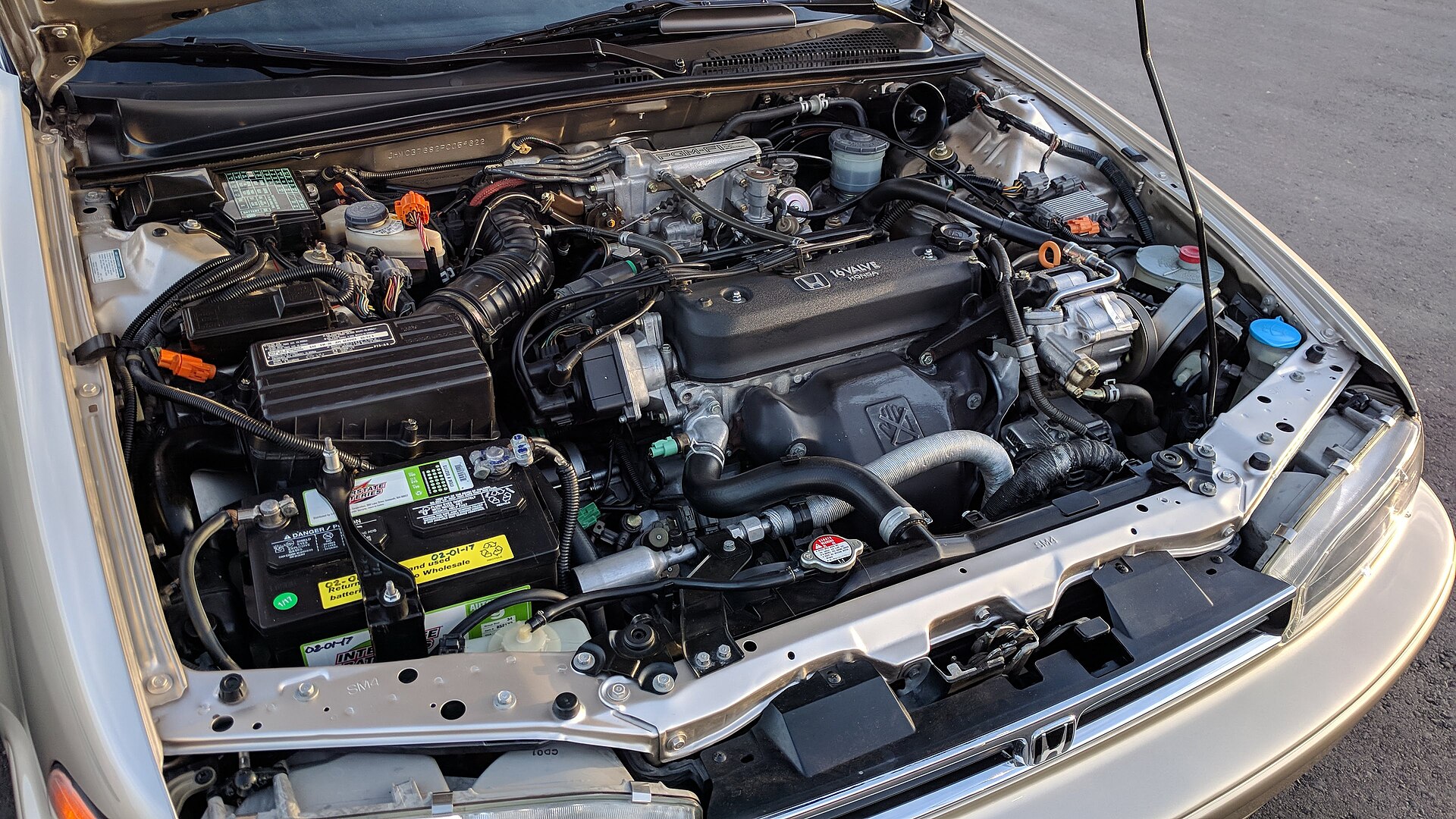
Idle shaking that fades at speed usually means misfires, worn engine mounts, or a vacuum leak. Learn the causes and the diagnostic order
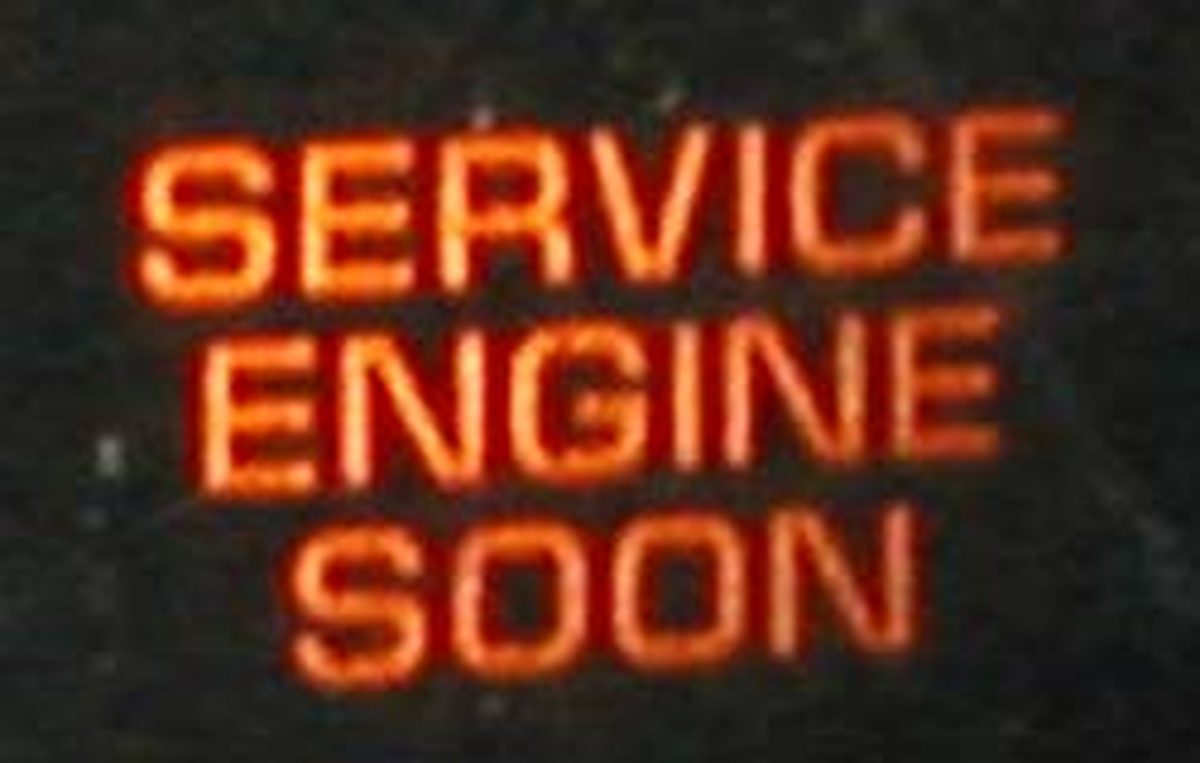
A check engine light that comes on and off usually means an intermittent fault, like a loose gas cap or a failing oxygen sensor. Here
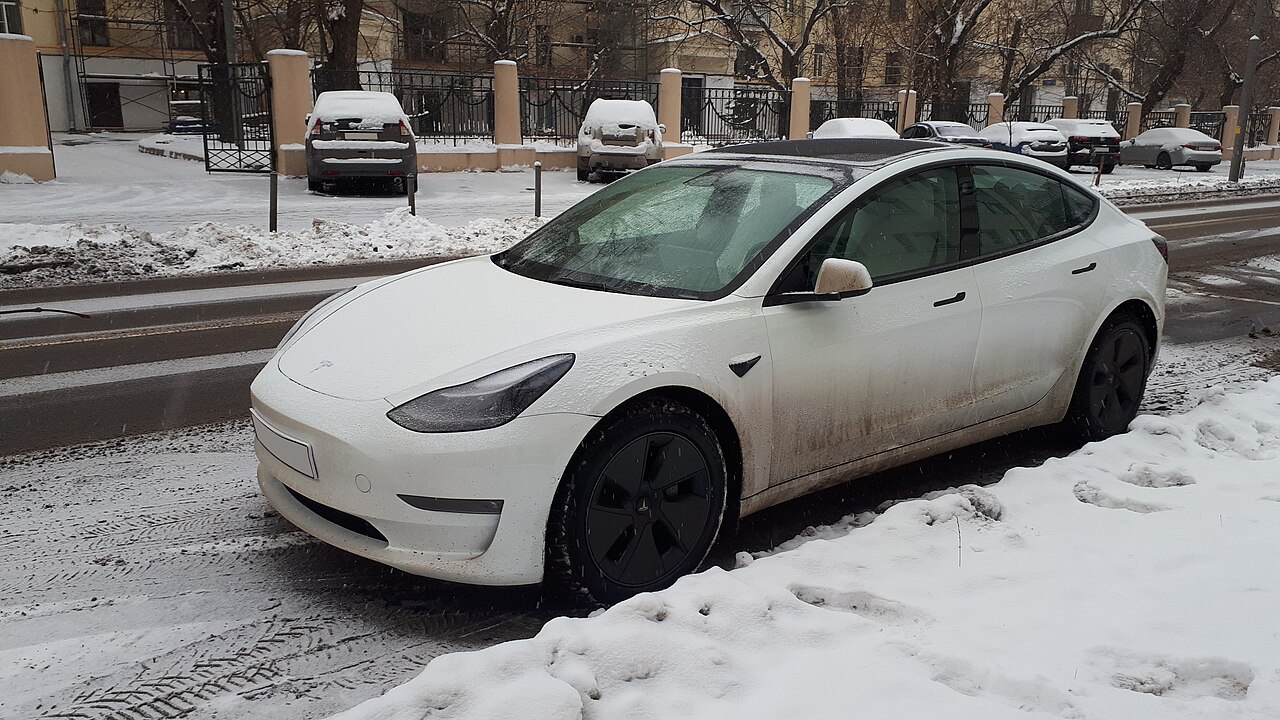
Electric cars lose 20 to 40 percent of range in freezing weather, mostly because cabin heating eats energy. Here is what studies show
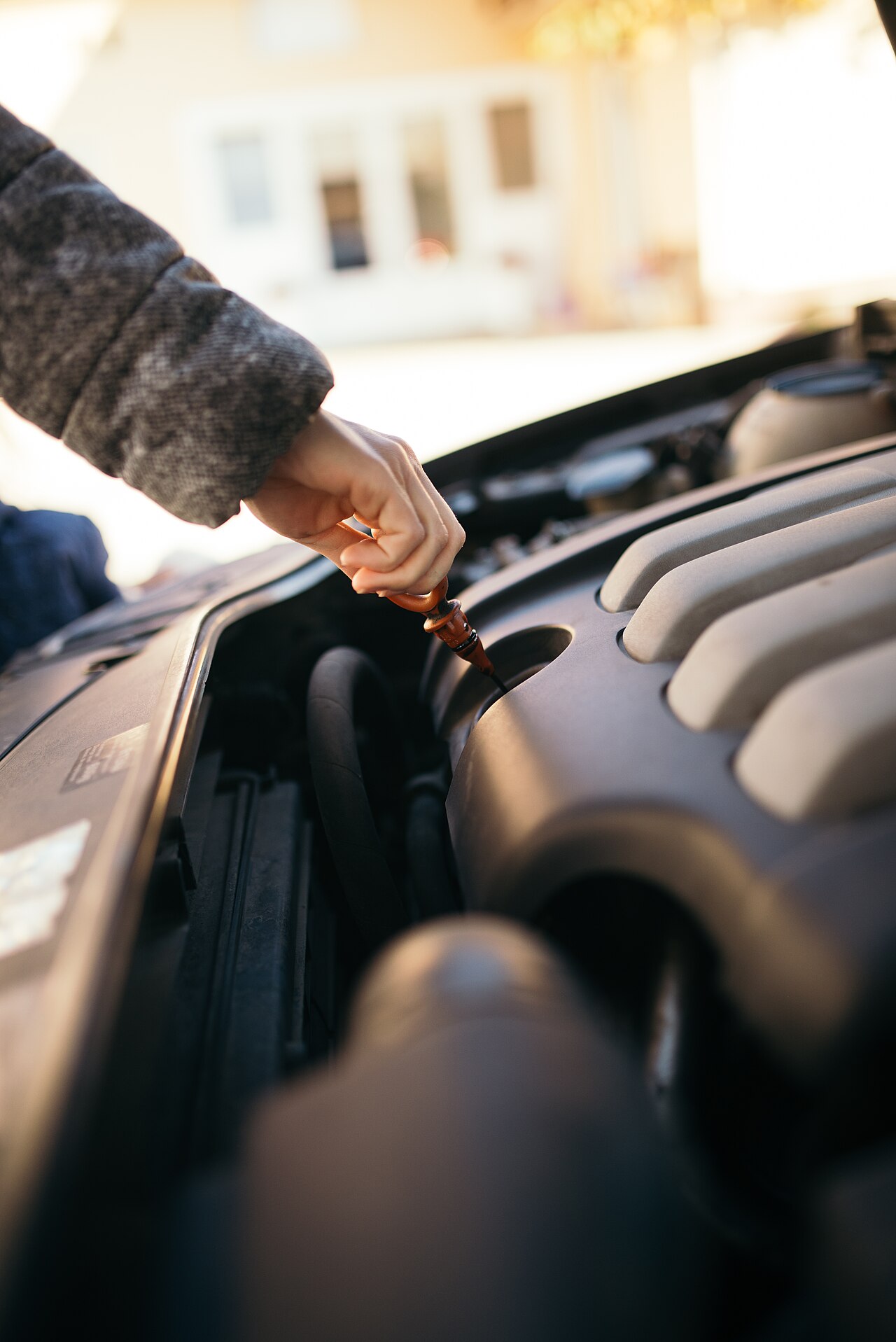
A car that burns oil without leaking is consuming it in the engine, usually through worn piston rings or valve seals. Here are the common
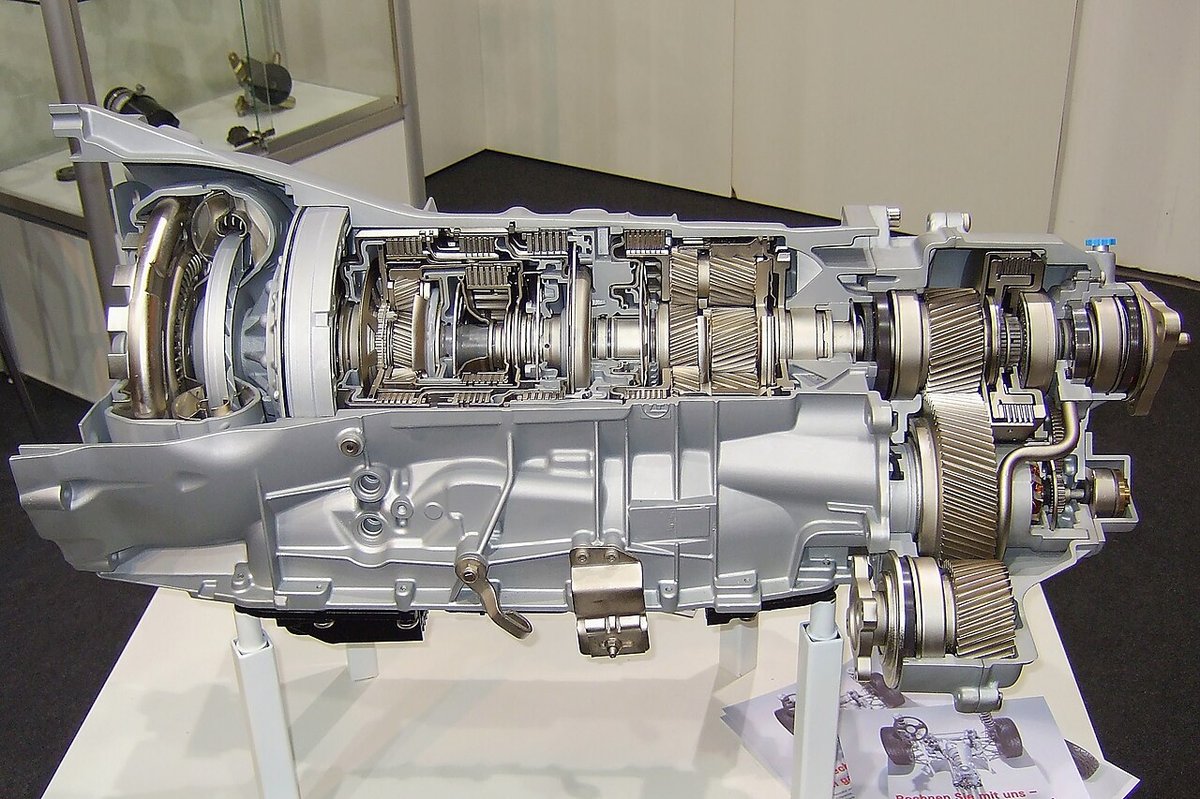
Many cars built after 2005 have no transmission dipstick. Check the fluid through the fill plug with the engine idling and fluid in its
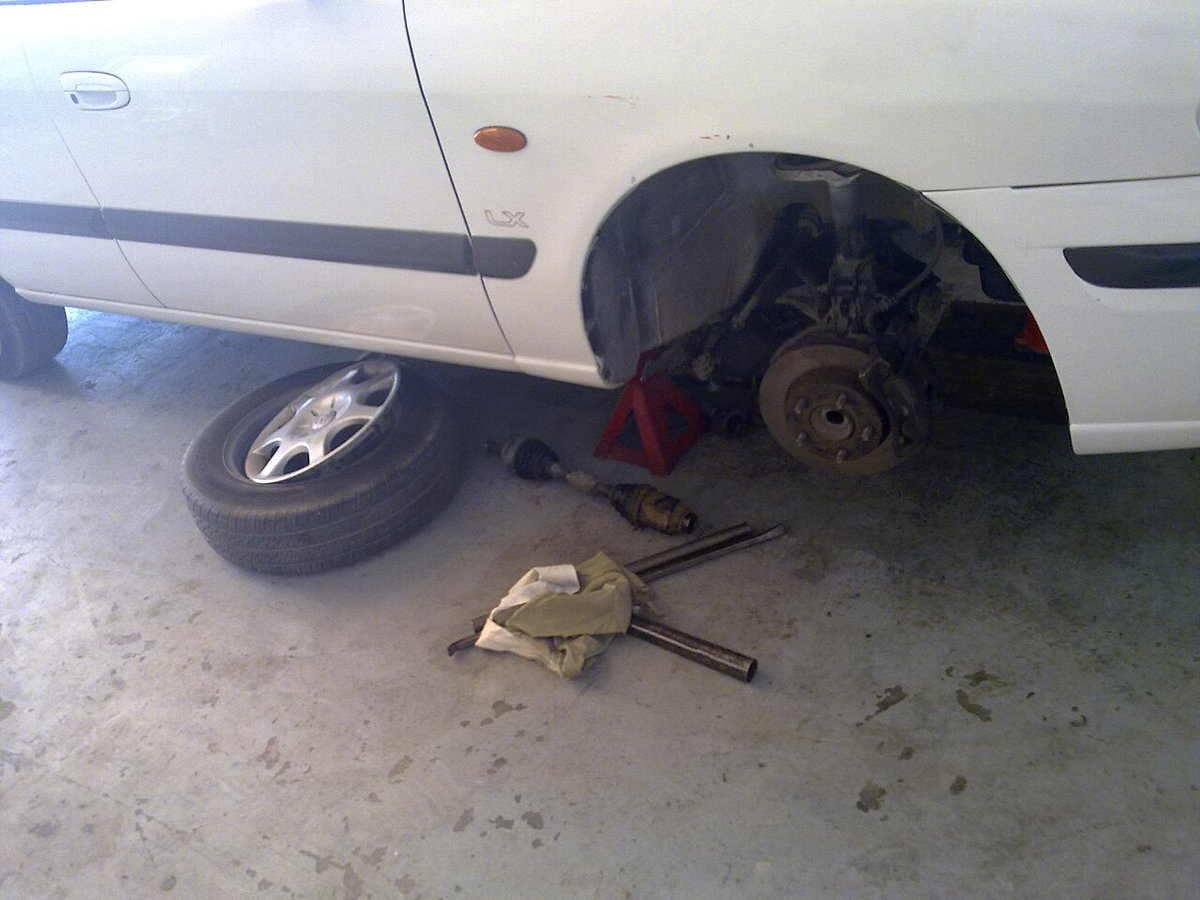
Brake pads last 25,000 to 60,000 miles depending on your habits. Coasting, smooth stops, engine braking, and lighter loads all add years
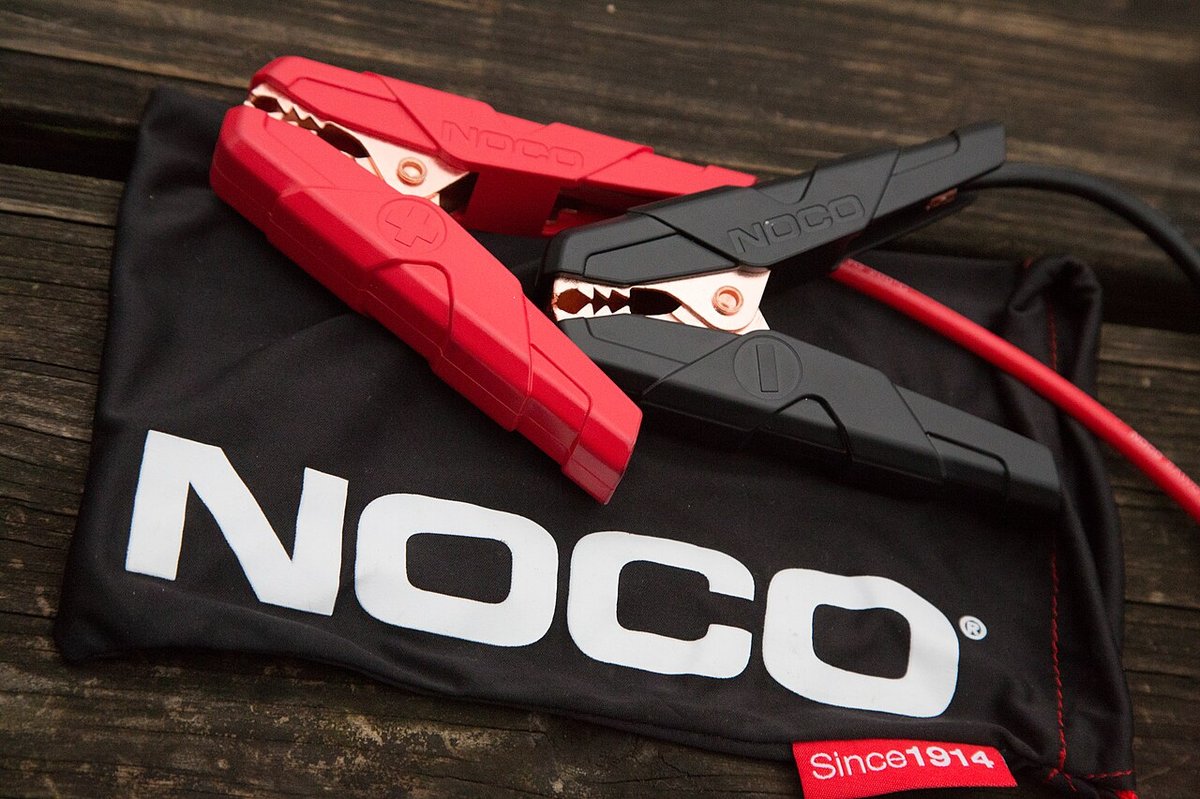
Jump starting is safe with the right cable order: red to dead, red to donor, black to donor, black to metal ground. See the full
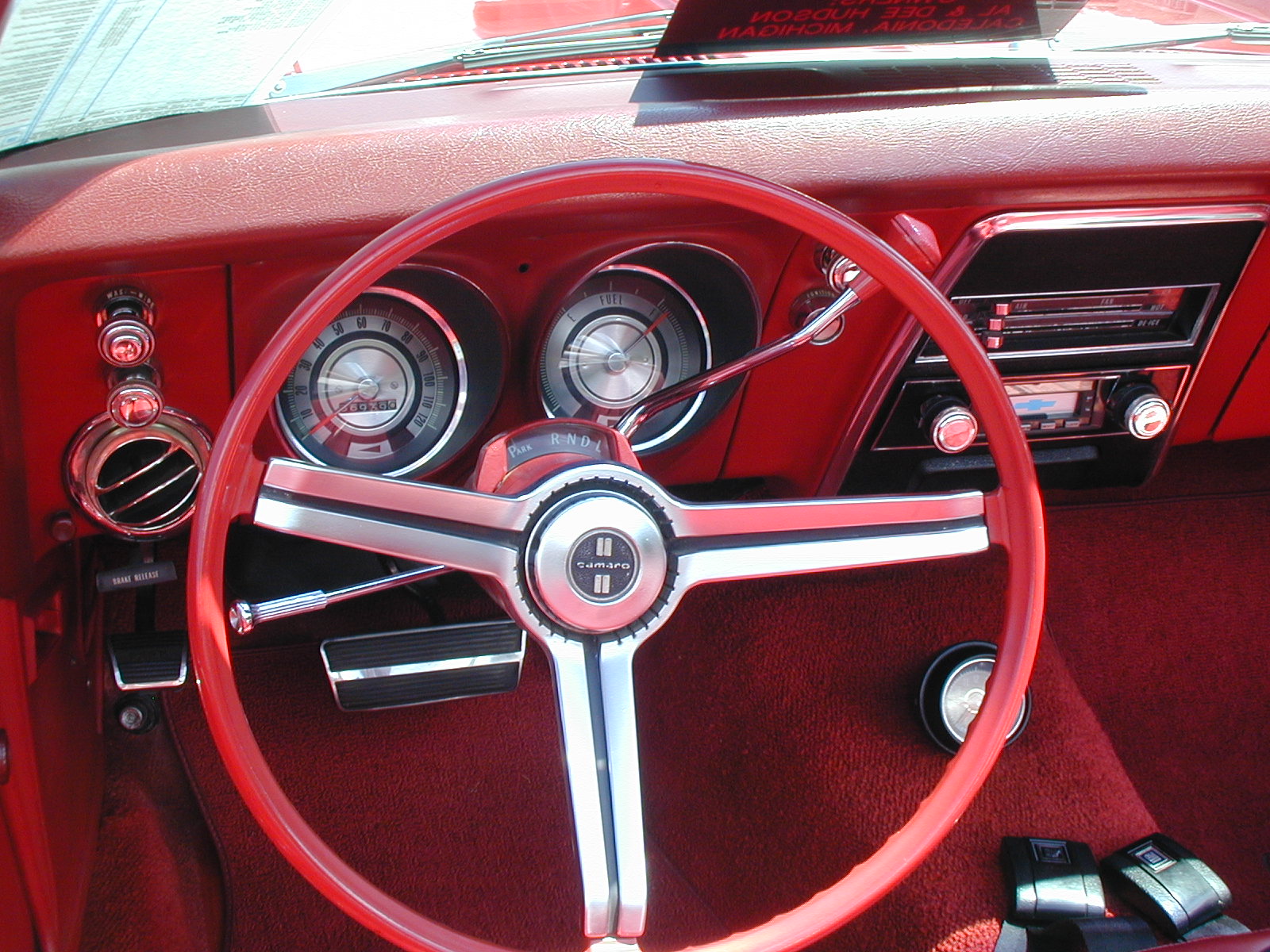
AC cold on the highway but warm at red lights usually means a cooling-fan, refrigerant, or airflow problem. Learn the causes, the first
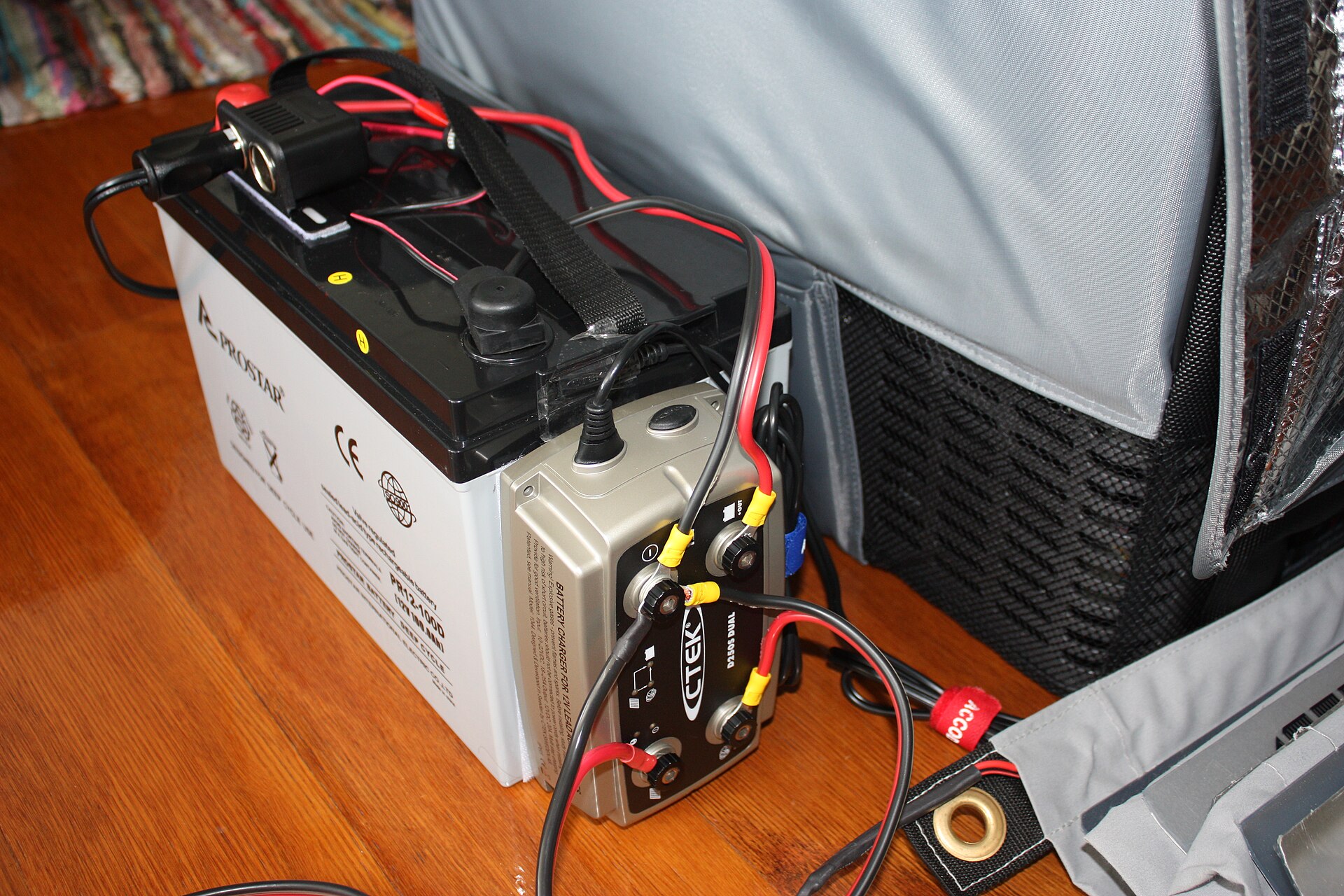
A car battery that dies overnight usually means a parasitic drain, a weak battery, or a bad alternator. Learn the causes, how to test
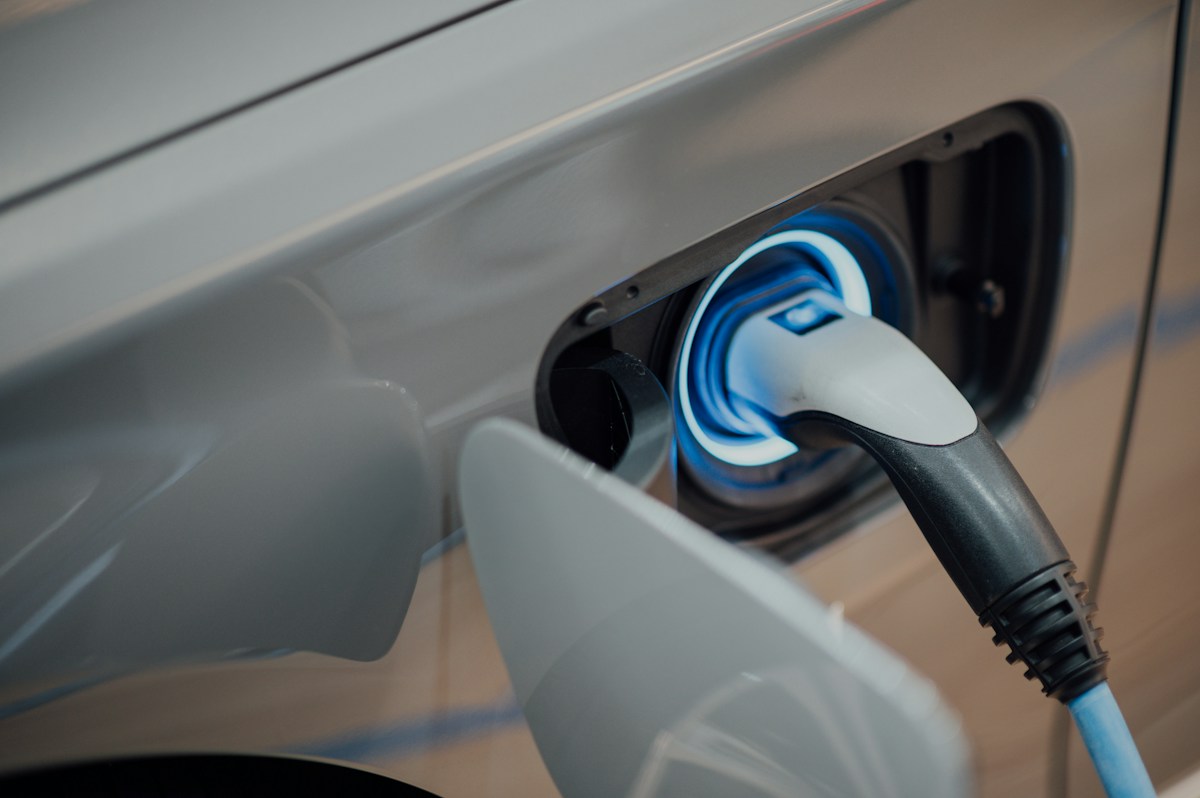
Regenerative braking turns slowing motion into battery charge in hybrids and EVs. See how the motor becomes a generator, its limits,
Cold weather can cut tire pressure by 1 psi for every 10°F drop, thanks to the ideal gas law. Here is what happens inside the tire and what
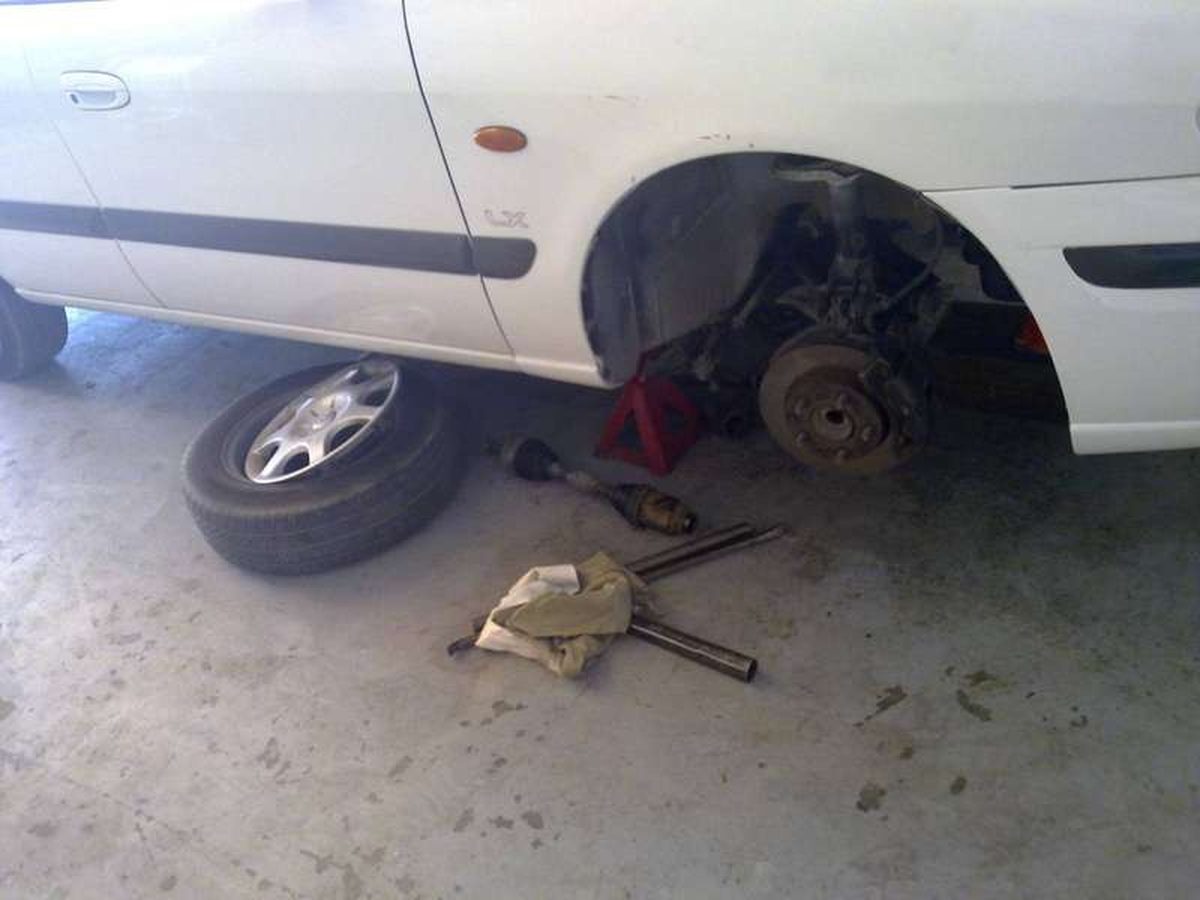
Mechanics rarely see a truly warped rotor. The shudder usually comes from uneven pad deposits a few thousandths of an inch thick. Here

Over 450,000 cars a year have rolled-back odometers, NHTSA says. This checklist covers VIN checks, title washing, and the inspection that
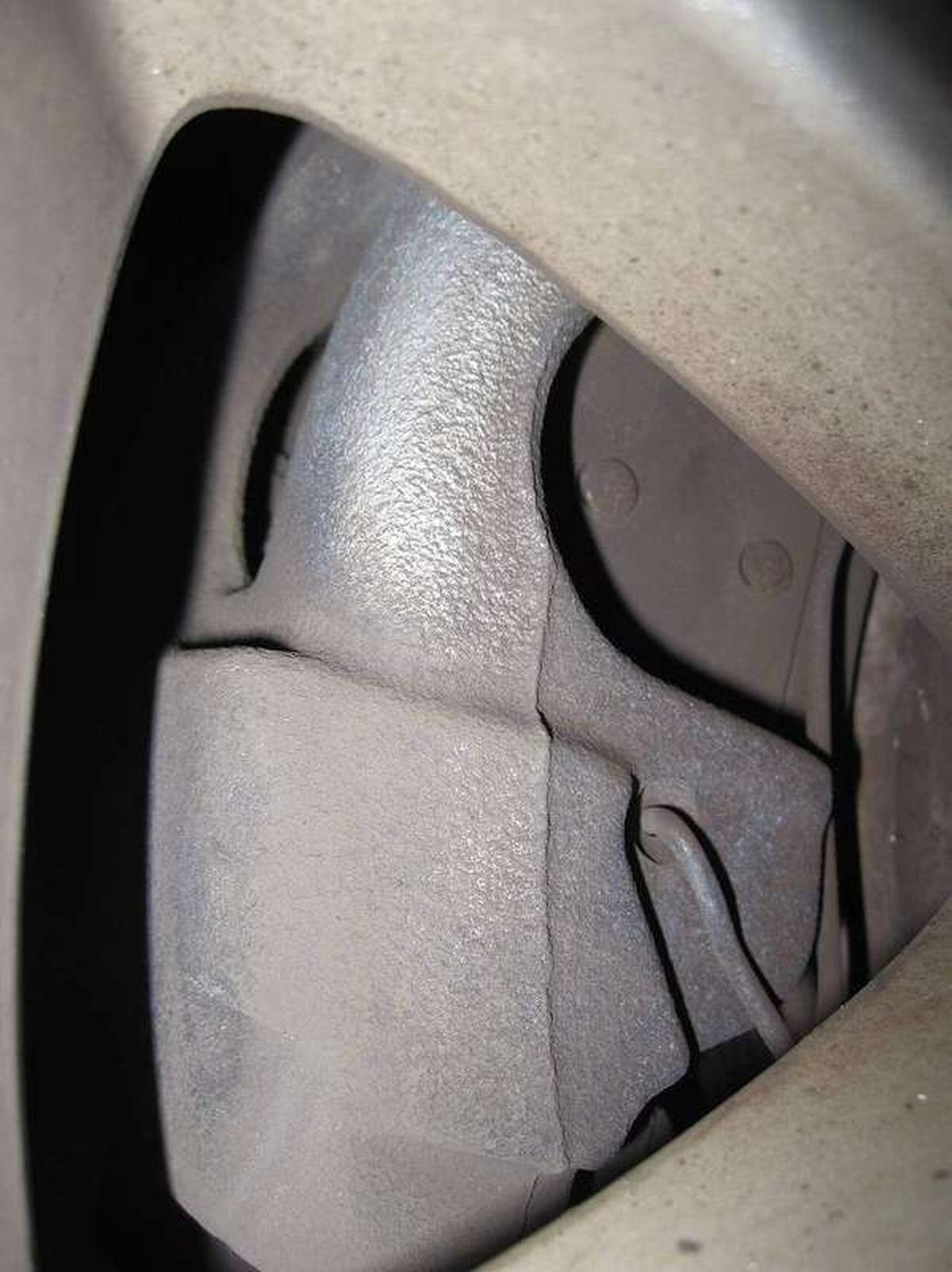
A car that pulls when you brake has a brake force imbalance, usually a sticking caliper or collapsed hose. Learn the causes, the heat test
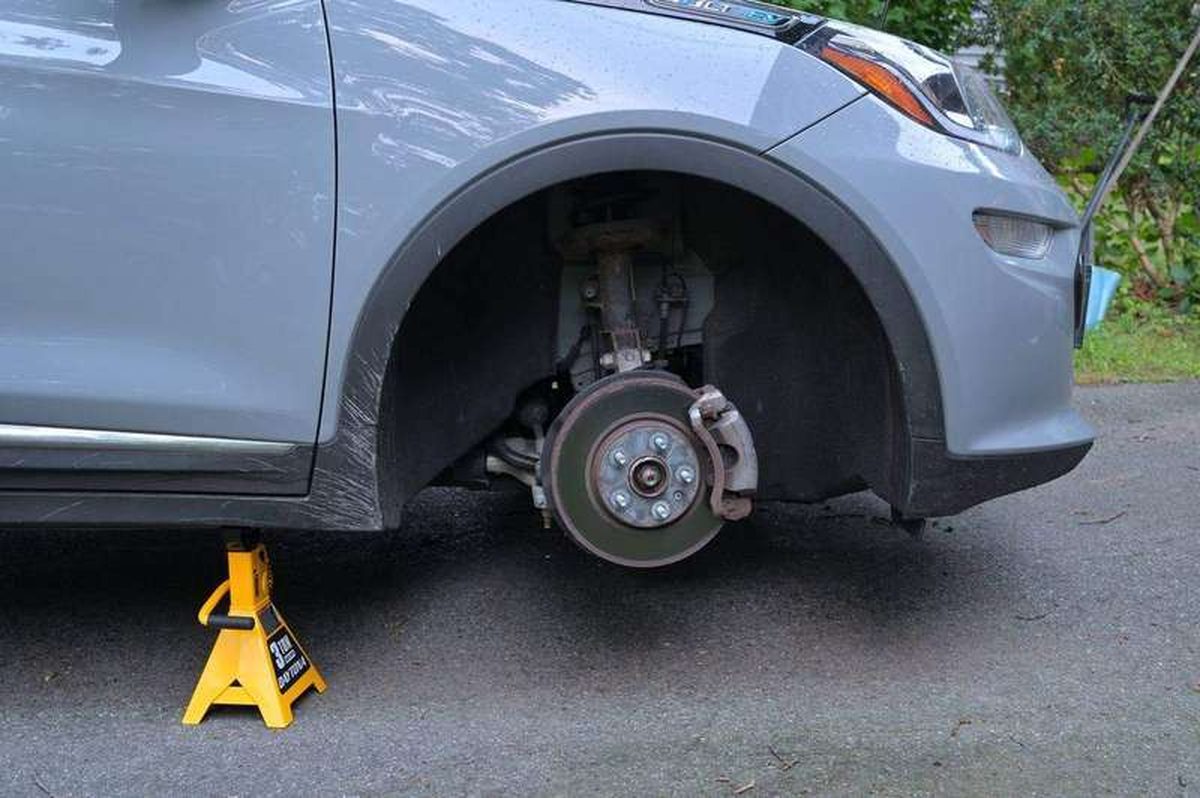
Your car shakes when braking at high speed because of disc thickness variation, not warped rotors. Brake engineers explain the real cause
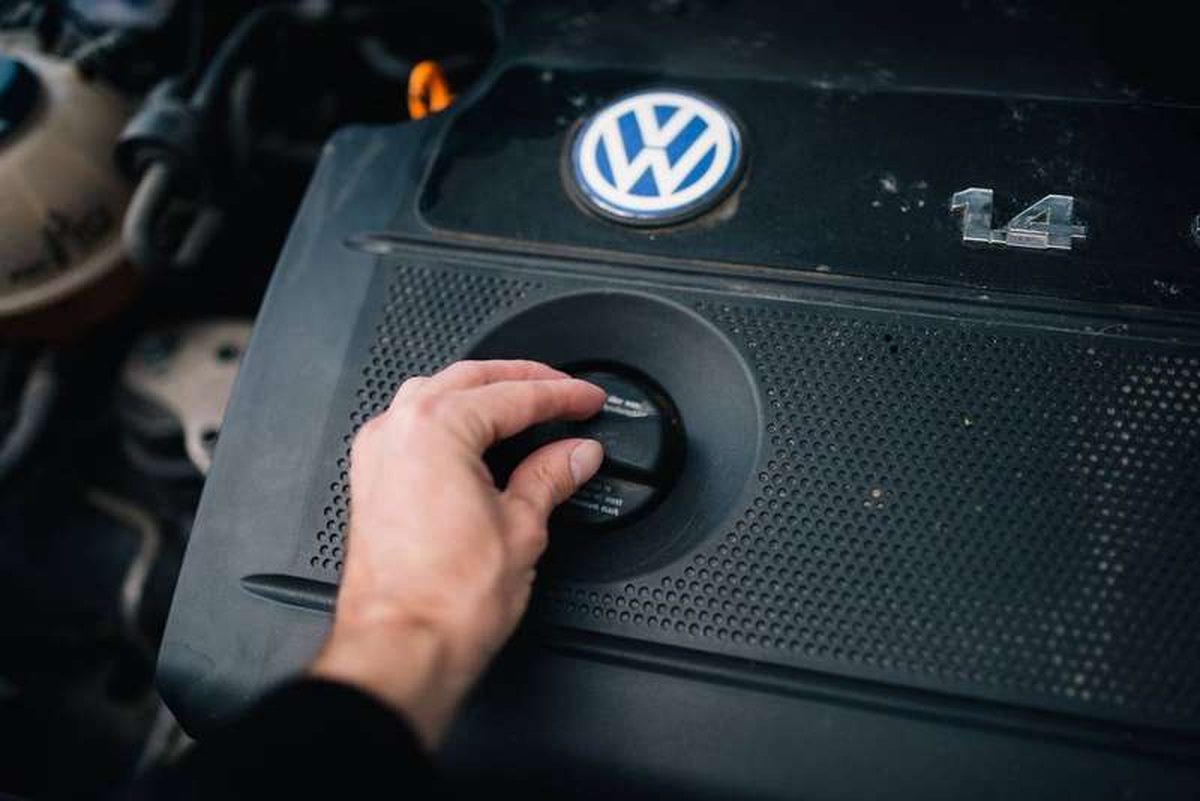
The 3,000-mile oil change is a 1980s leftover. Most modern cars on synthetic oil go 7,500 to 10,000 miles, so trust your owner's
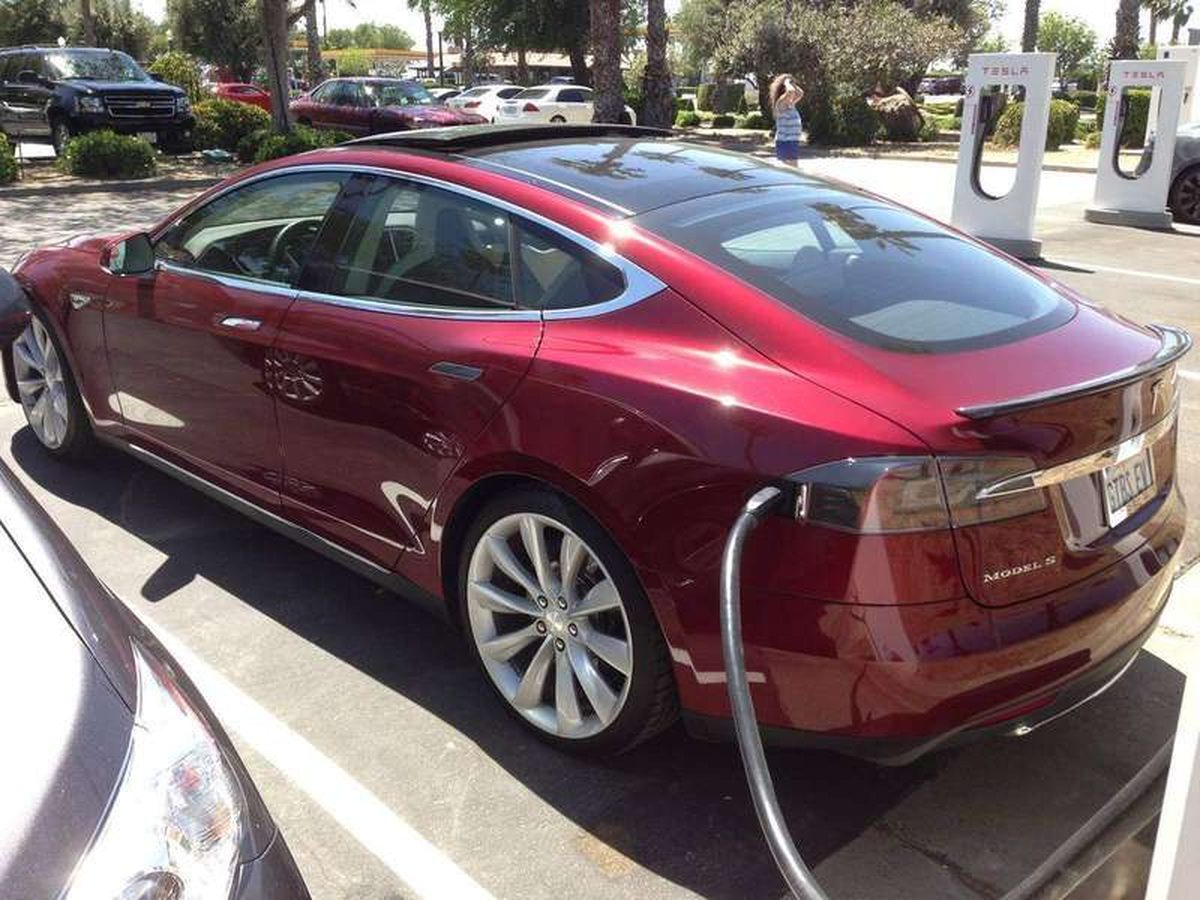
EV batteries lose about 2.3% of capacity per year, per Geotab data on 22,700 cars. Here is how cycle and calendar aging work, and what
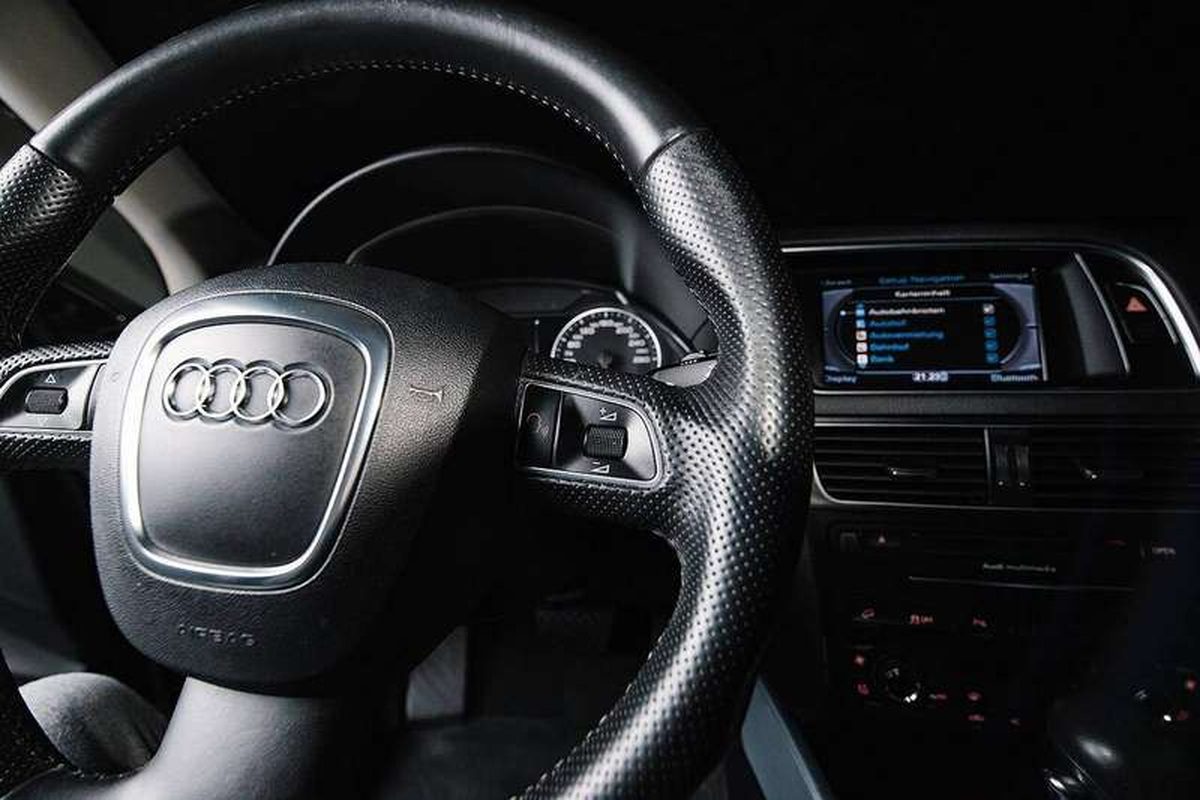
A shaking steering wheel usually means unbalanced tires or warped brake rotors. Where and when you feel the shake reveals the cause

Synthetic oil has uniform molecules and resists heat breakdown; conventional is refined crude that costs less. Synthetics last 7,500-15,000
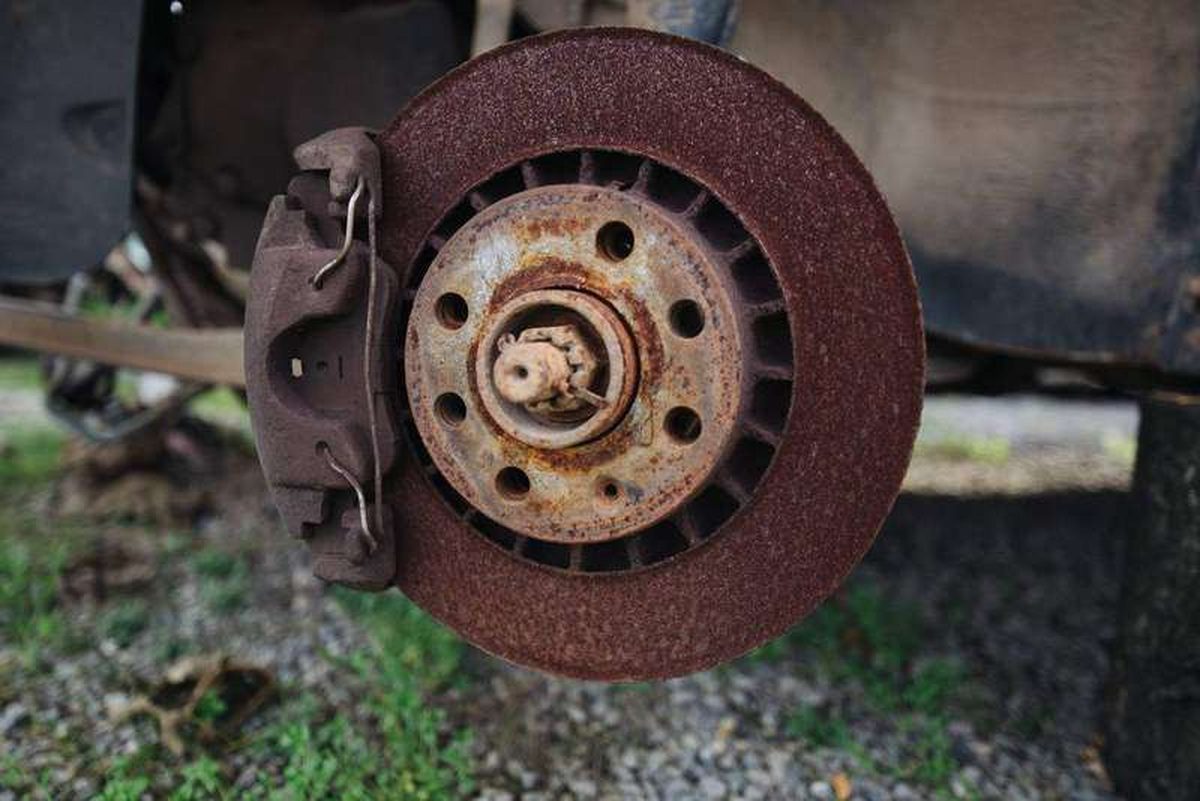
Squealing brakes, thin pads under 3mm, or a longer stopping distance all signal worn brake pads. Here is how to check them and when to see