Food
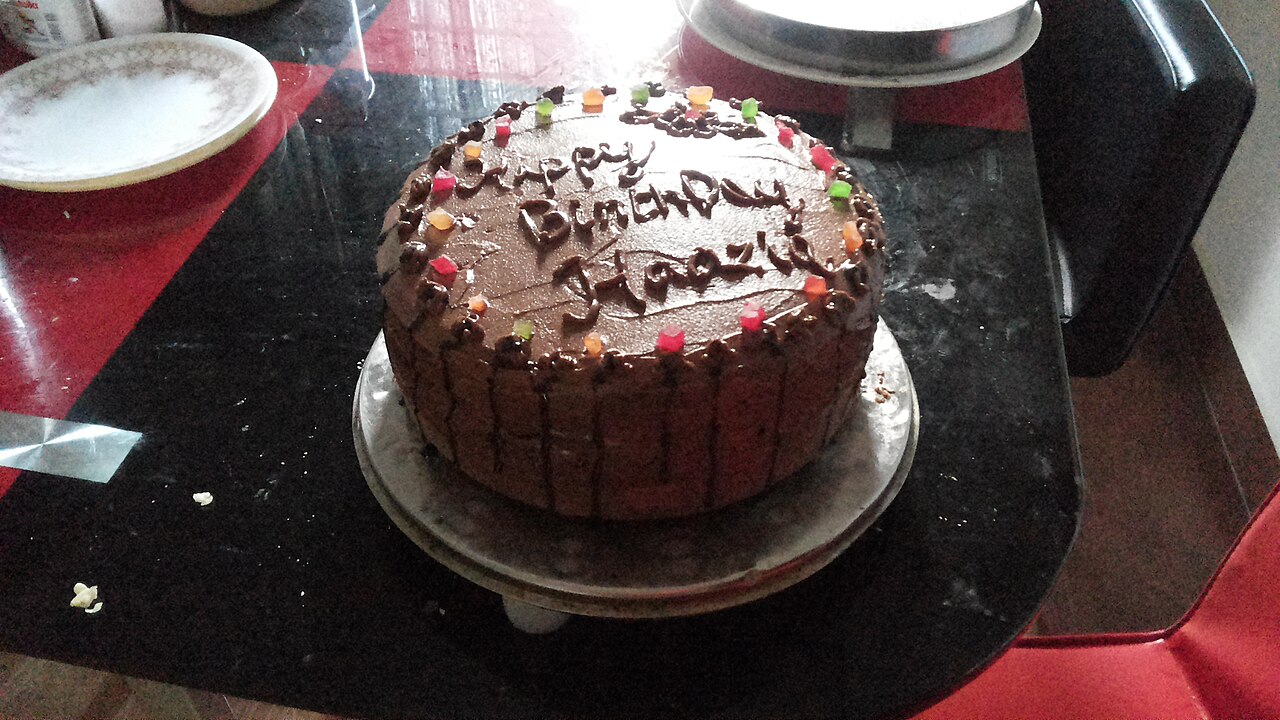
Why cake sinks in the middle after baking: 6 fixes that work
A sunken cake is usually underbaked or over-leavened. King Arthur Baking says most cakes finish at 200 to 210 F inside. Causes, doneness
 Monday, October 12, 2026
Rive News Baking: why baking works the way it does. Bread, cakes, and oven science with fixes for common failures.
A sunken cake is usually underbaked or over-leavened. King Arthur Baking says most cakes finish at 200 to 210 F inside. Causes, doneness
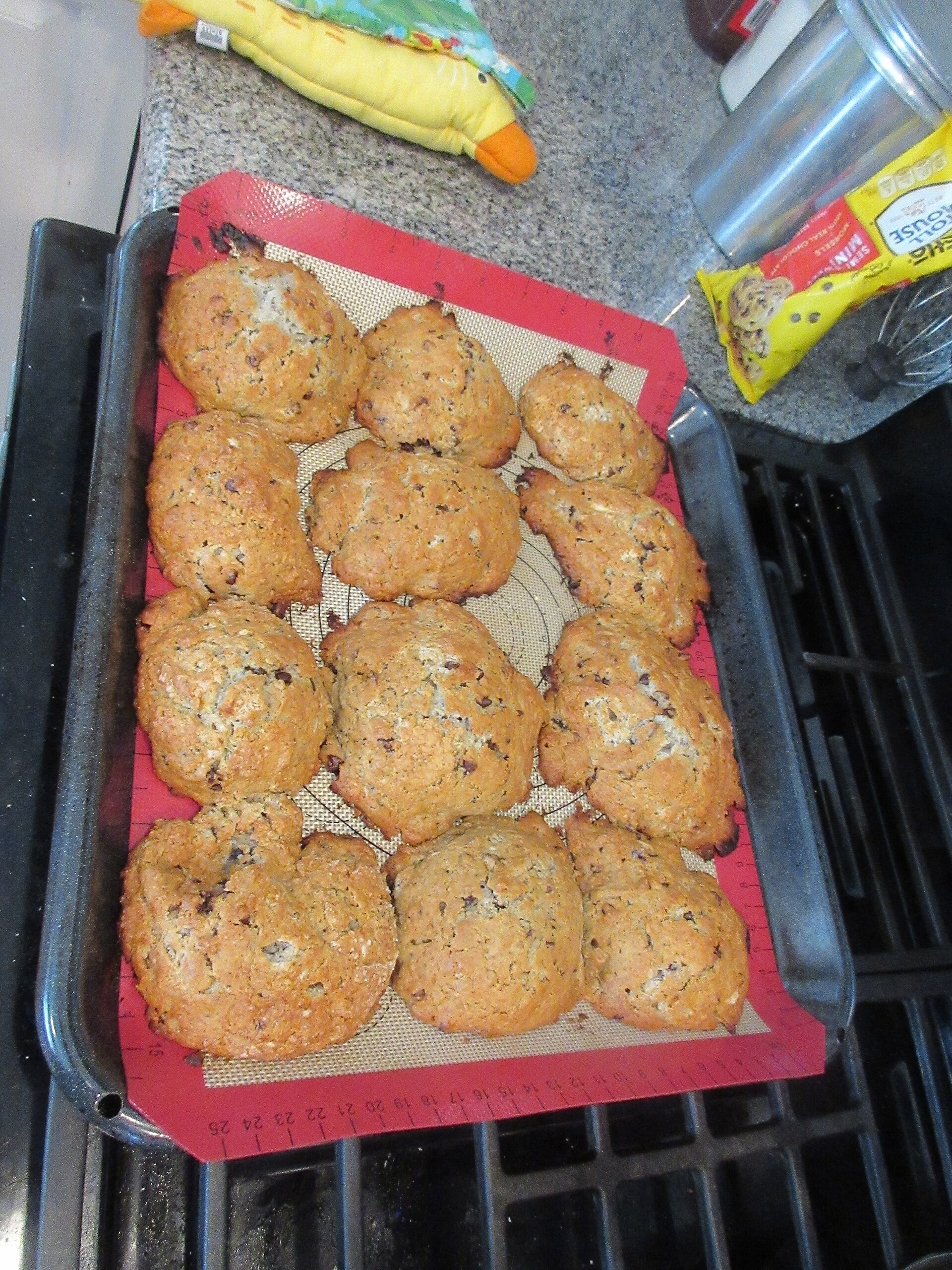
Cookies spread too thin when fat melts before the dough sets, and stay too thick when dough is too cold or flour-heavy. Here is the full
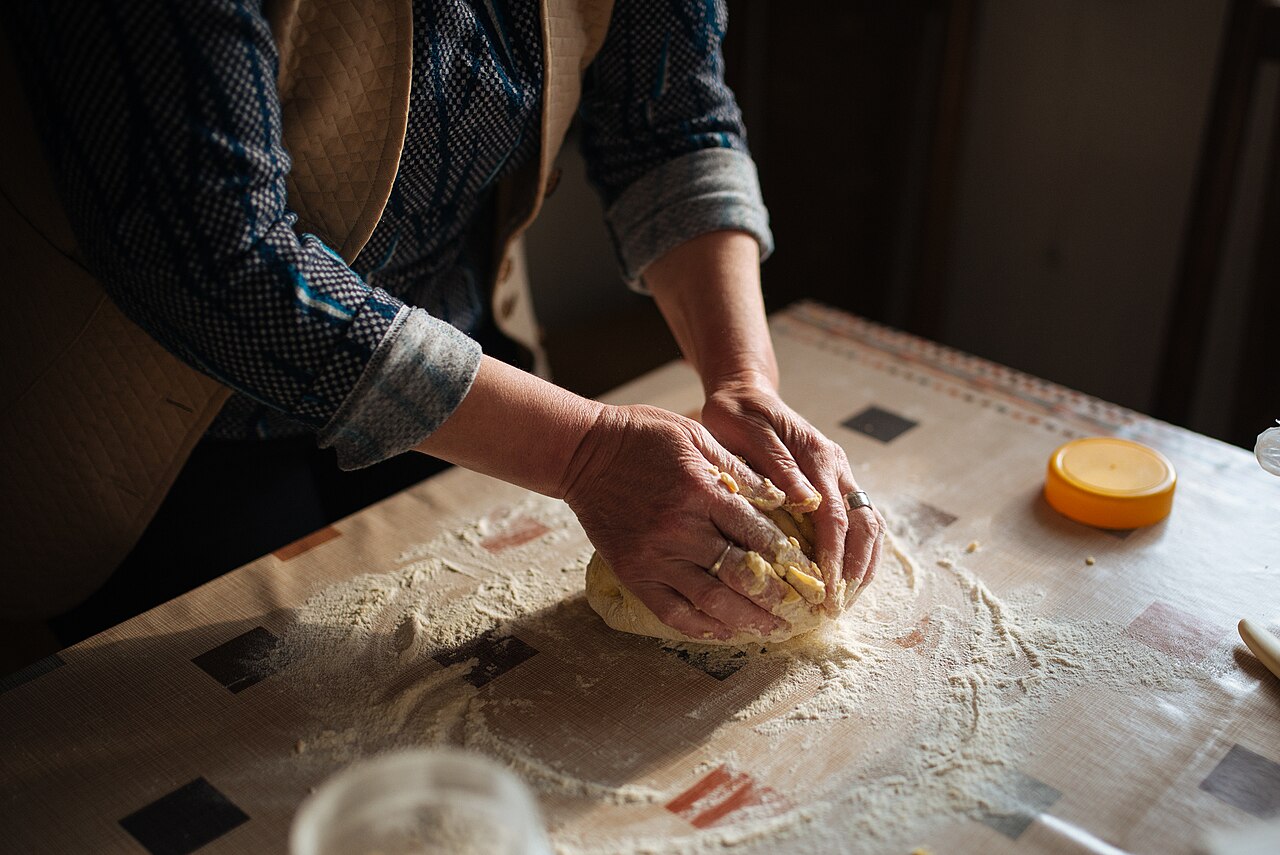
Gluten forms when wheat proteins meet water, and kneading builds that network into an elastic web that traps gas. Here is how it works,
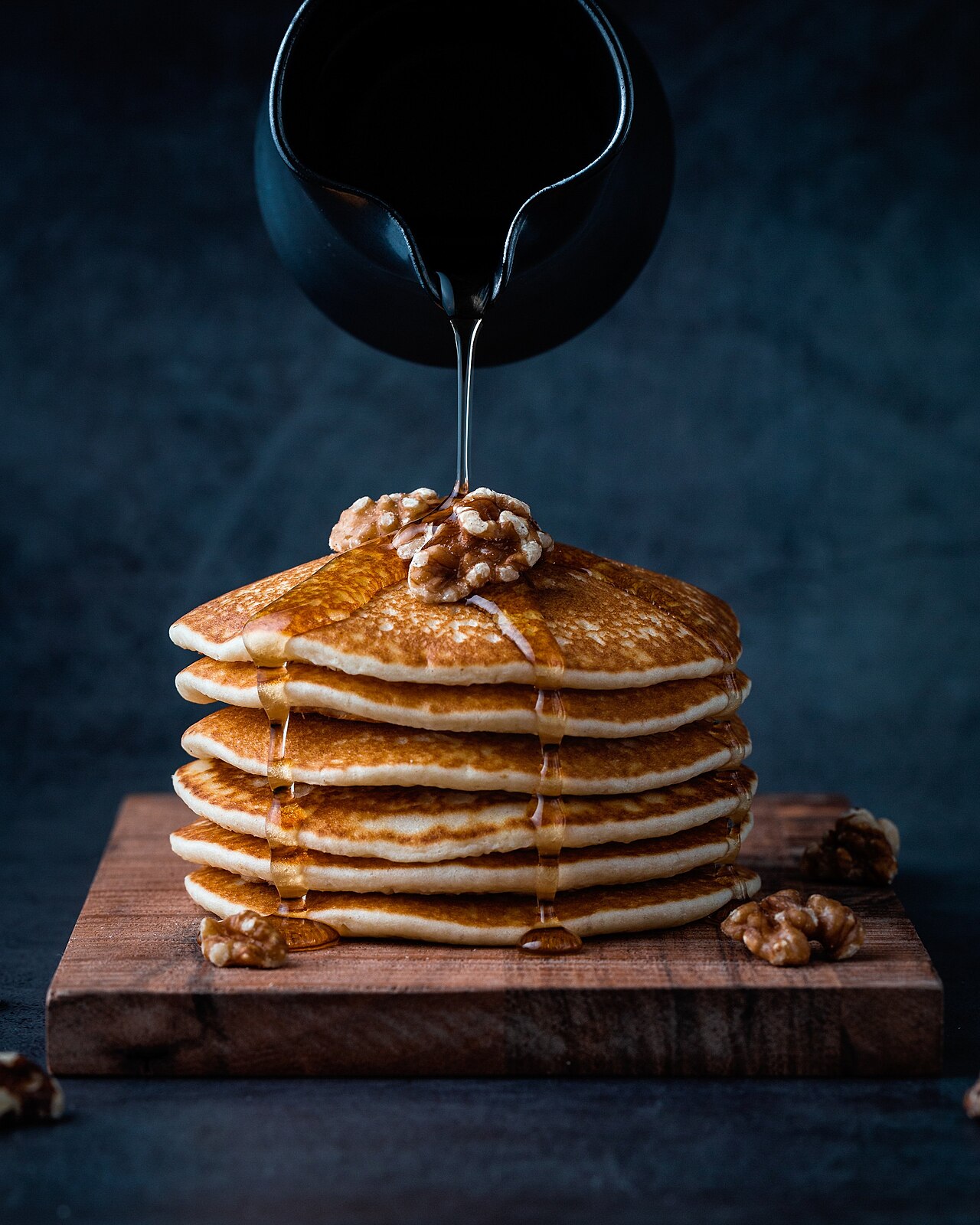
Flat pancakes often come from dead baking powder, overmixed batter, or a cool griddle. This guide covers the chemistry and five proven
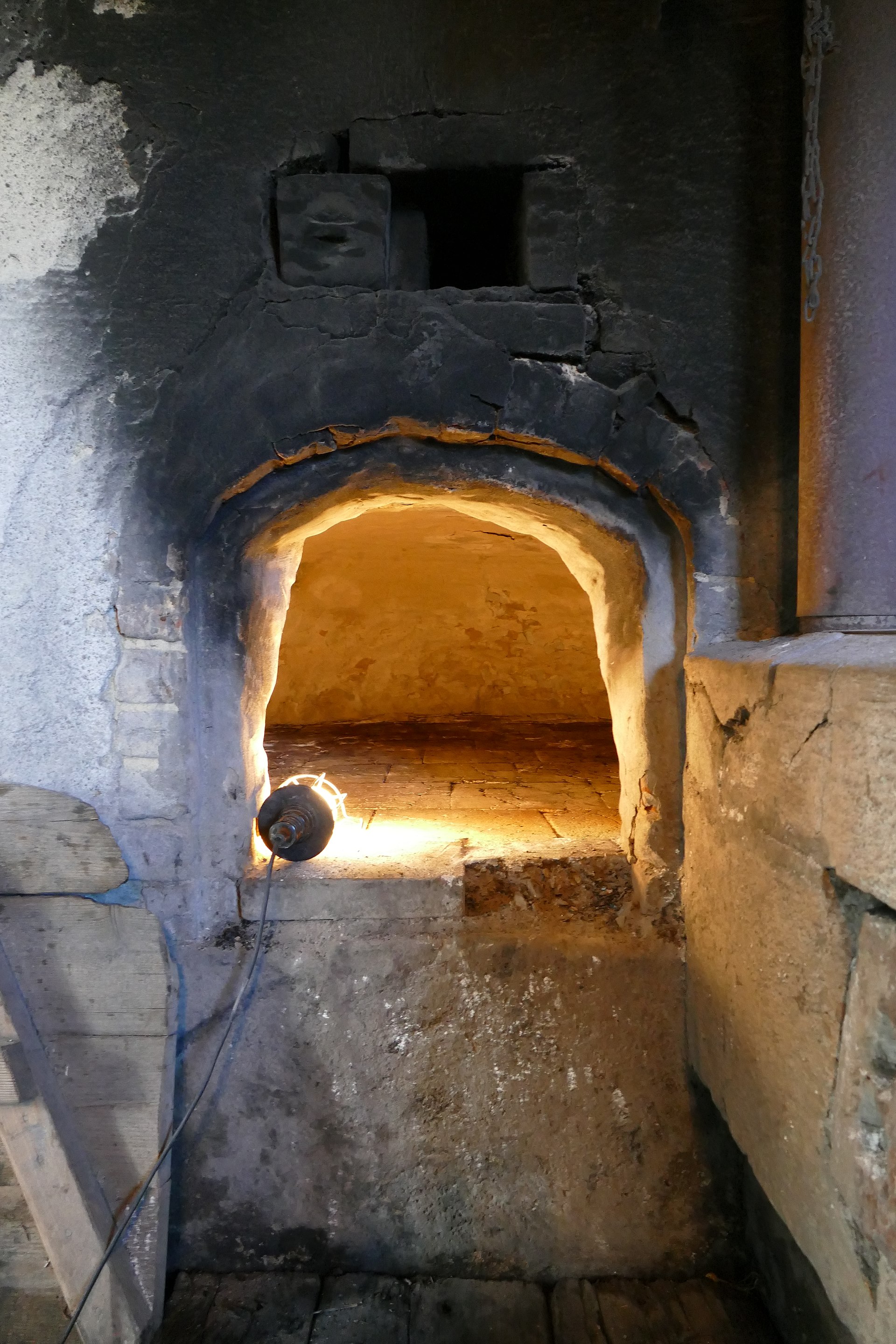
A full preheat takes 10 to 15 minutes and heats the oven walls, not just the air. Stored wall heat fires leavening and keeps the bake from
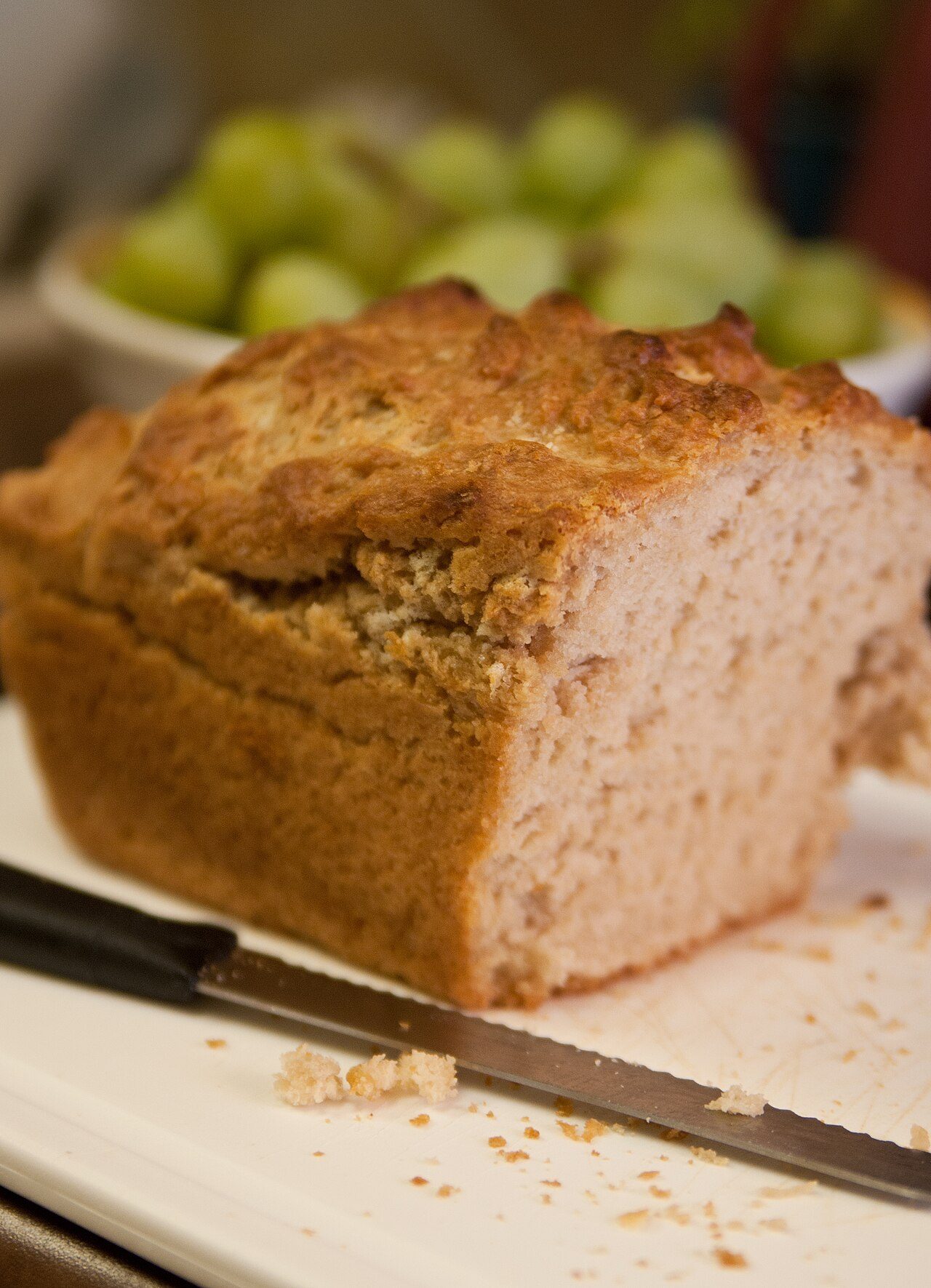
Bread goes stale faster in the fridge because starch recrystallizes fastest near 4°C. Here is the retrogradation science and the right way
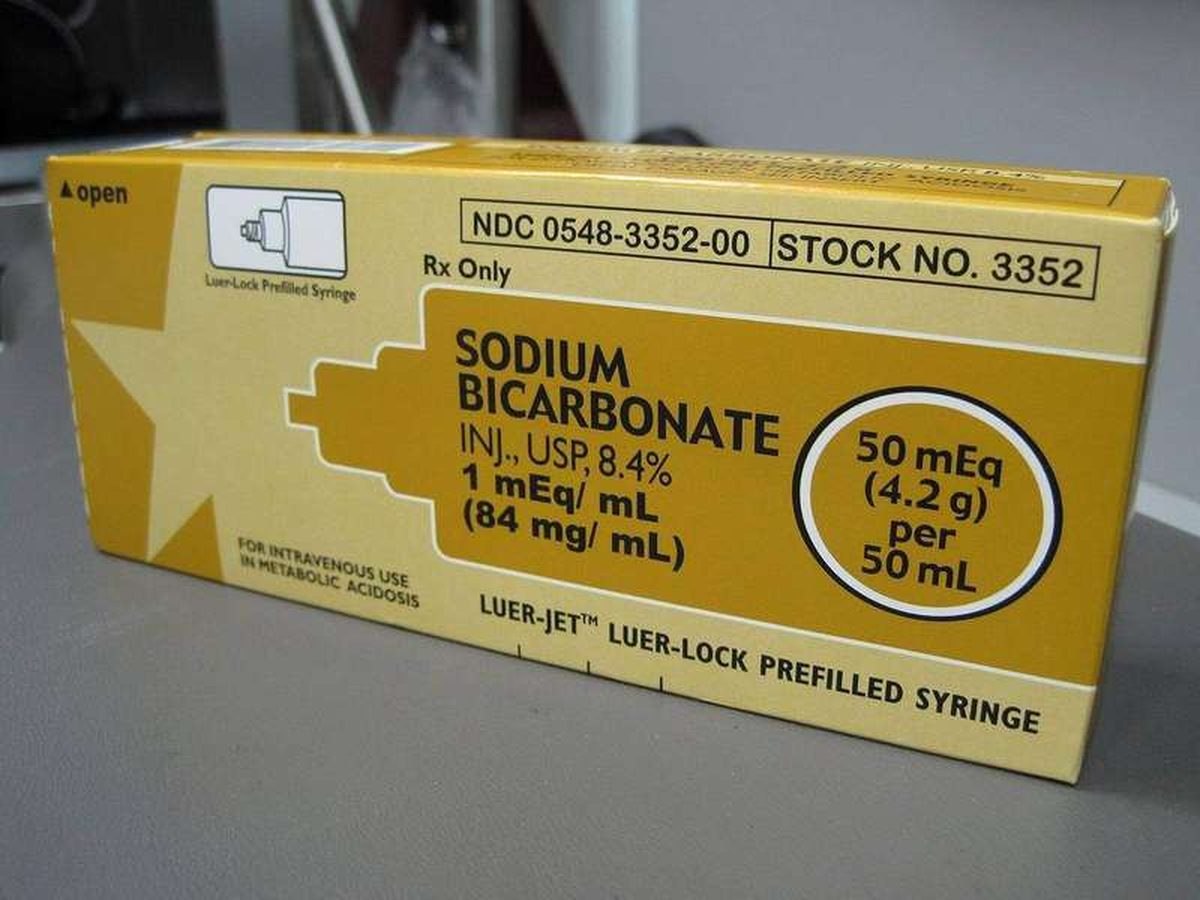
Baking soda is pure sodium bicarbonate; baking powder adds two dry acids for double-acting lift. Learn when to use each, plus exact
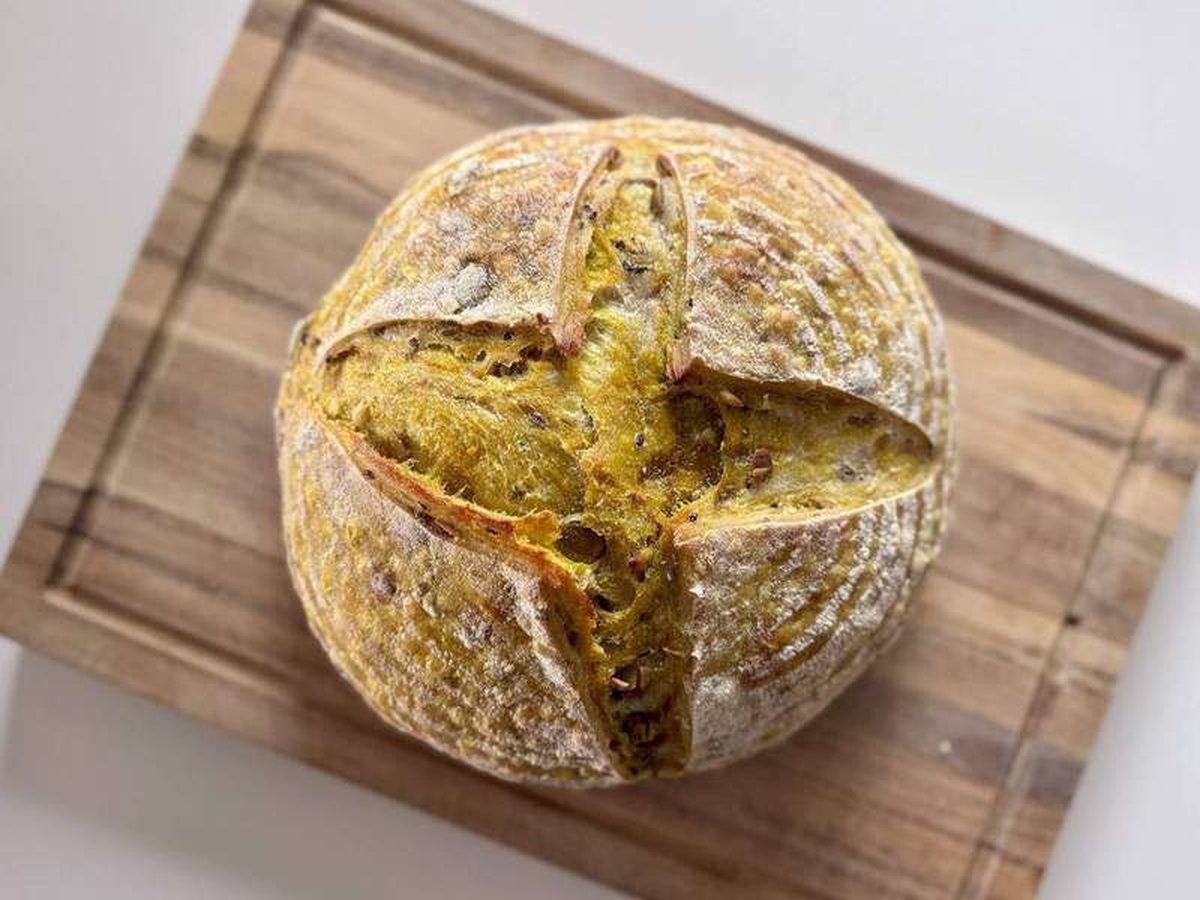
Yes, stale bread can be revived: staling is starch recrystallizing, not just drying, and water plus heat reverses it. The oven method
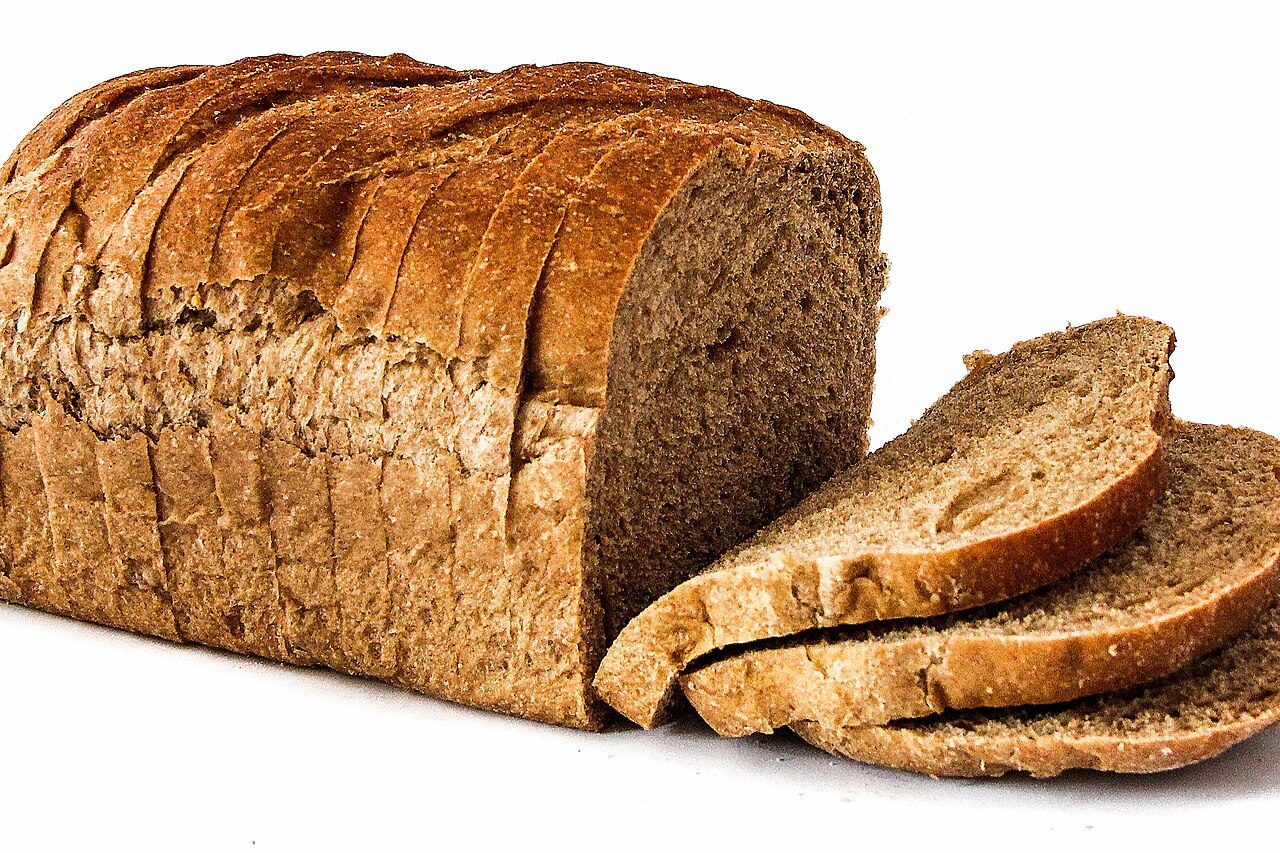
Bread is 40 percent water and loses it to the air while starch re-crystallizes; crackers start dry and drink moisture in. Why staleness