Health
Why Do We Get Brain Freeze From Cold Drinks?
Brain freeze is a rapid headache triggered when cold hits blood vessels in the back of the throat. The trigeminal nerve misreads
 Monday, October 12, 2026
The latest health explainers on Rive News: sourced, human-written guides. Browse topics or read the newest stories below.

Night leg cramps can last from seconds to 15 minutes, says the Mayo Clinic. Learn what causes them, how to stop a cramp fast, and bedtime prevention tips.
Brain freeze is a rapid headache triggered when cold hits blood vessels in the back of the throat. The trigeminal nerve misreads
Standing up too fast pools blood in your legs, briefly starving the brain. Cardiologists explain orthostatic hypotension, its causes,
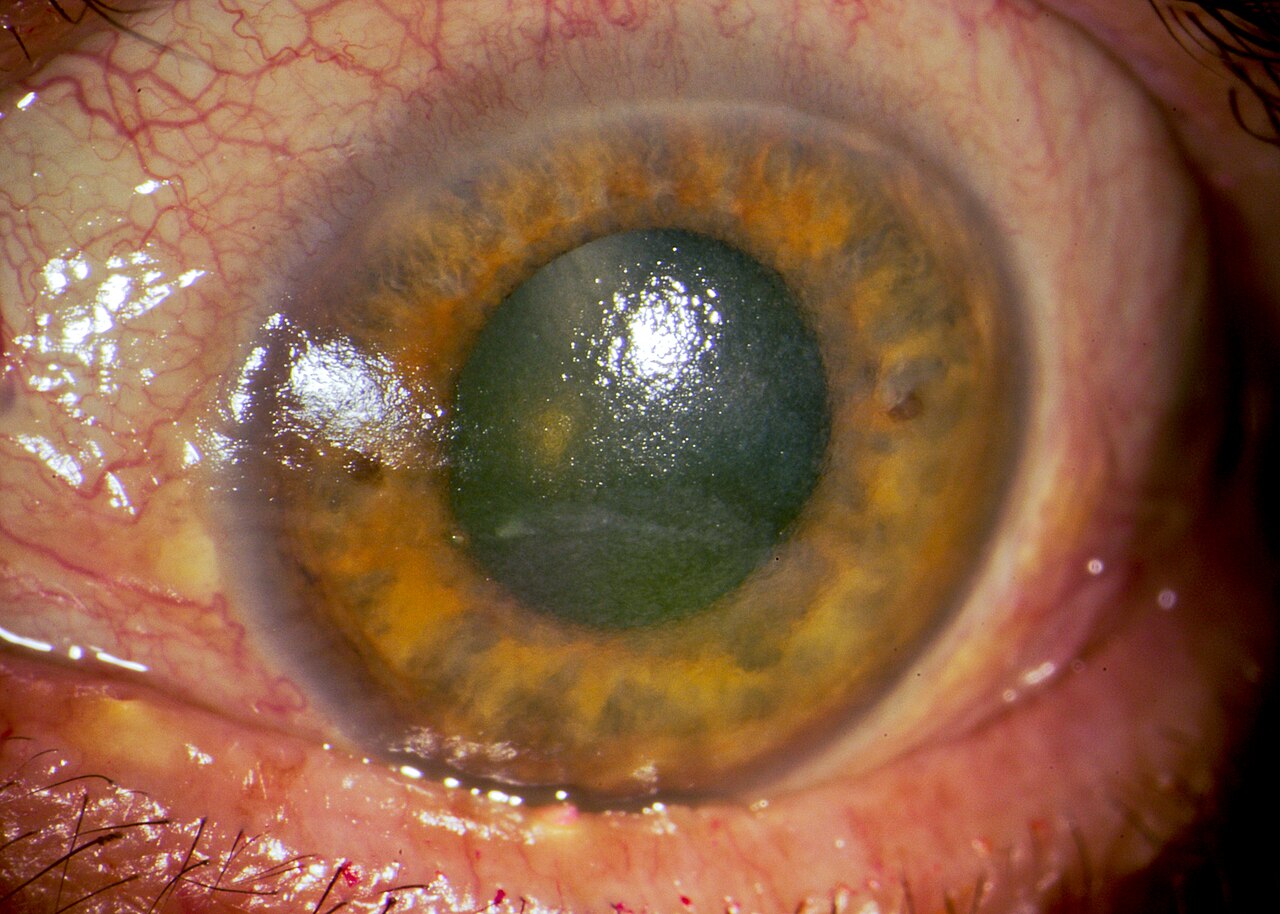
Waking with dry, gritty eyes usually means overnight tear evaporation or eyelid inflammation. Here is what causes morning dryness and when

Pressure on nerves blocks their signals, which is why your foot falls asleep. The tingling is the nerve waking up. Neurologists explain
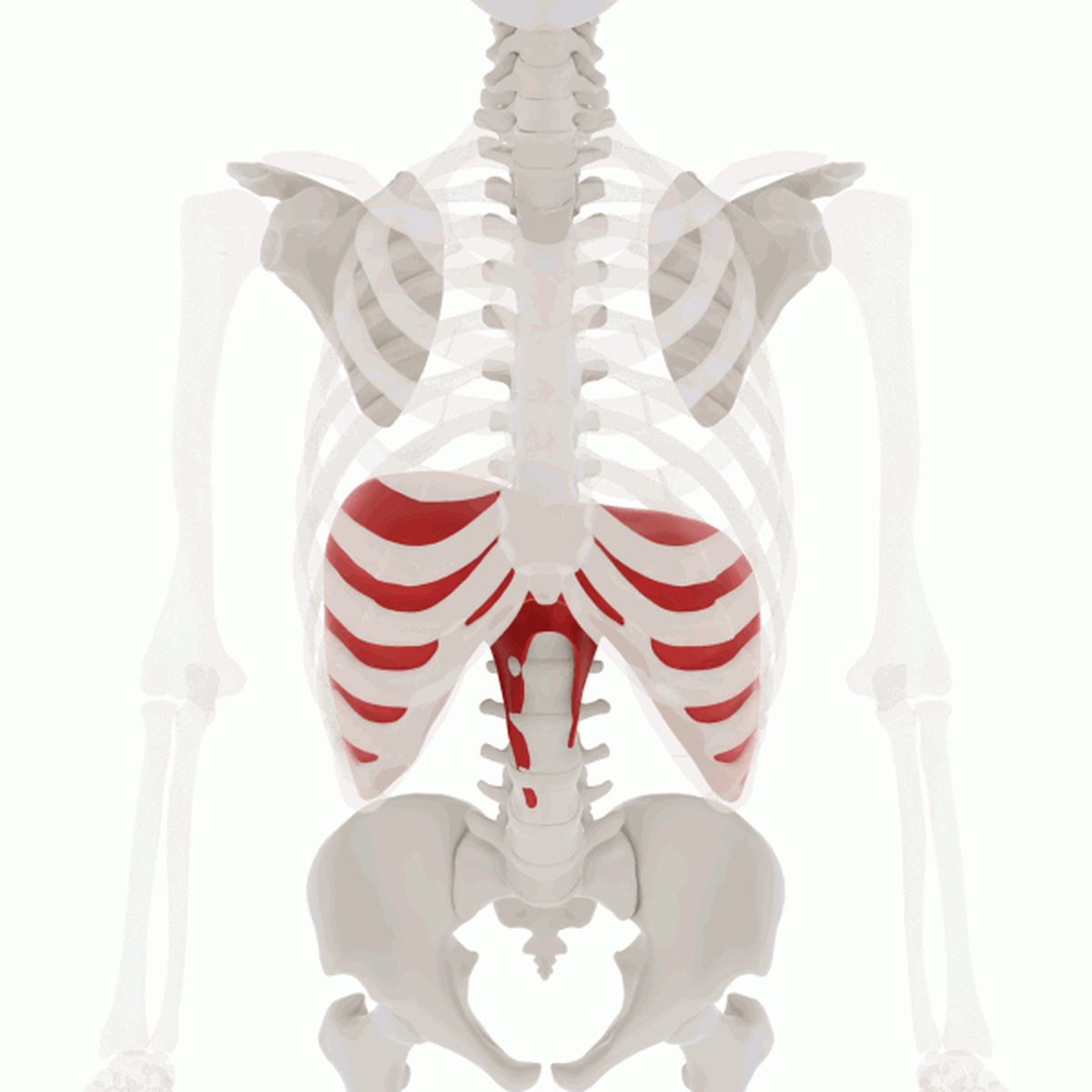
Hiccups are diaphragm spasms followed by sudden vocal-cord closure. Common triggers include eating fast and fizzy drinks; see a doctor
Knuckles crack when a gas bubble rapidly forms in the joint's lubricating fluid. MRI and ultrasound studies settled the debate
A fever raises the brain's thermostat, so your body feels cold and shivers to warm up. Here is how the hypothalamus, vasoconstriction
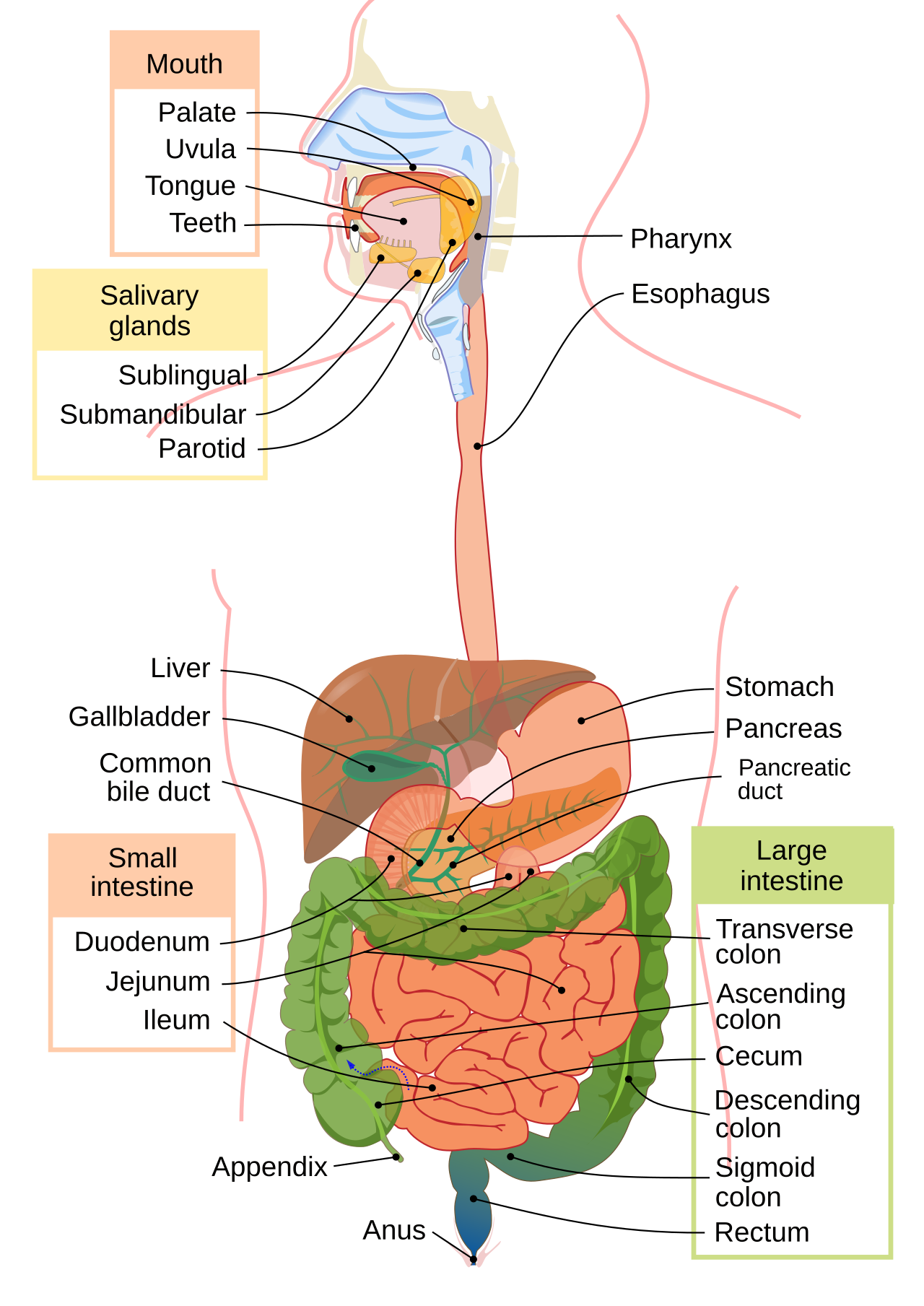
A growling stomach is borborygmi, not an empty tank alarm. A gut contraction every 90 to 120 minutes makes the noise; hunger just turns up

Bananas, sweet potatoes, and avocados supply the potassium, magnesium, and calcium your muscles need after cramps. Here is what
Most muscle cramps last seconds to minutes, and soreness can linger up to 24 hours. Here is what Mayo Clinic and the NHS say about duration
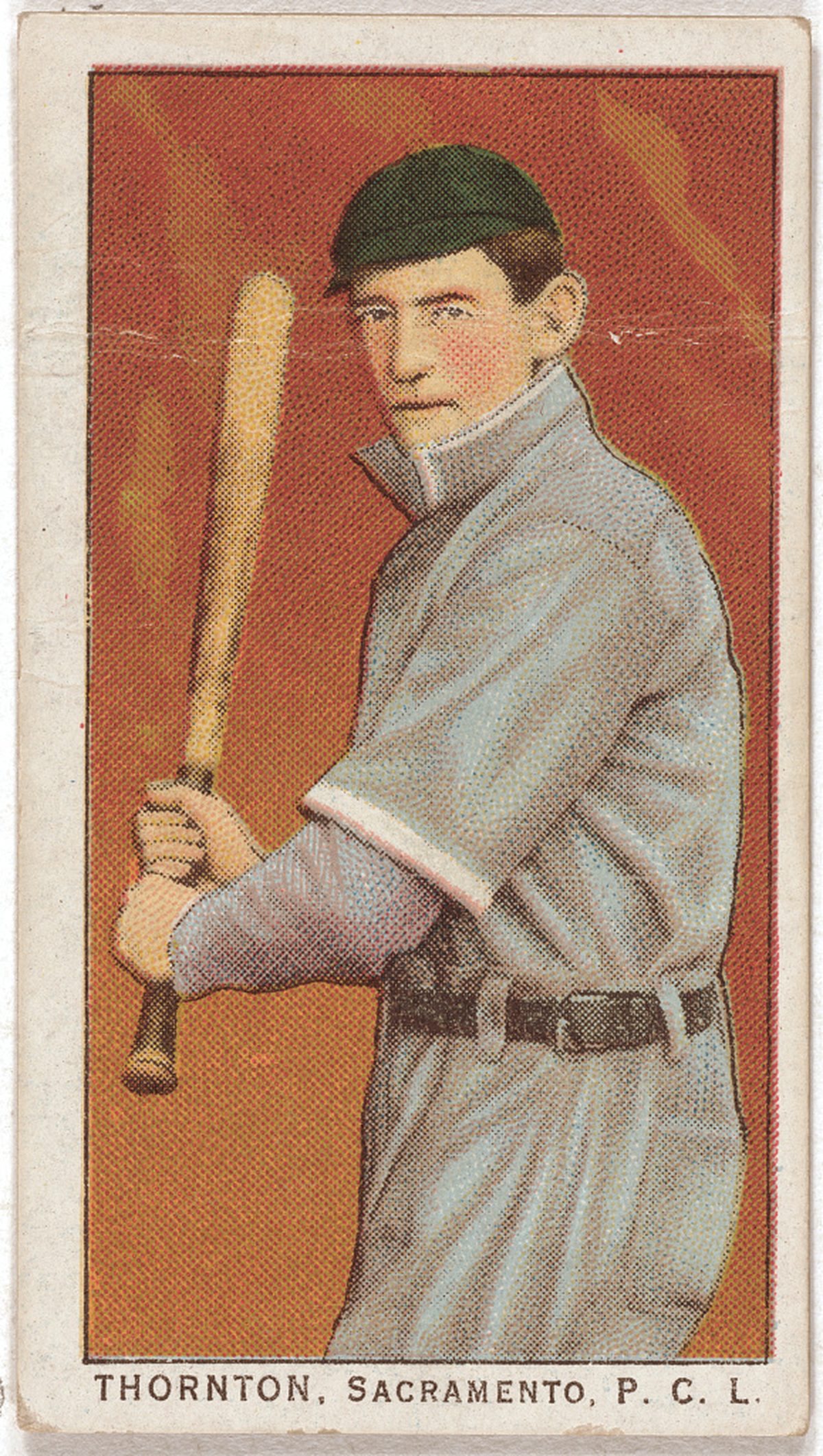
A charley horse is a painful leg cramp named in 1880s baseball. Learn what it is, the four competing origin stories, and why the true
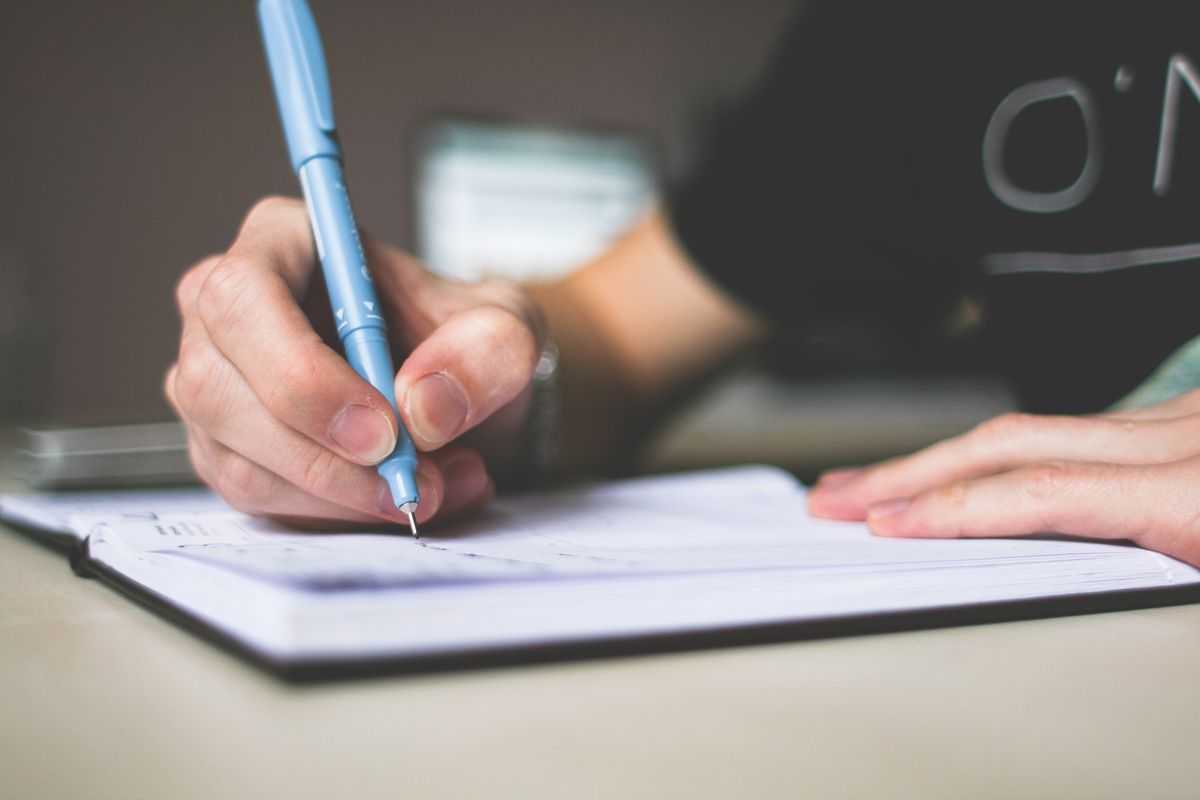
Hand cramps while writing usually come from grip strain, dehydration, or writer's cramp, a task-specific dystonia. Here is how to tell
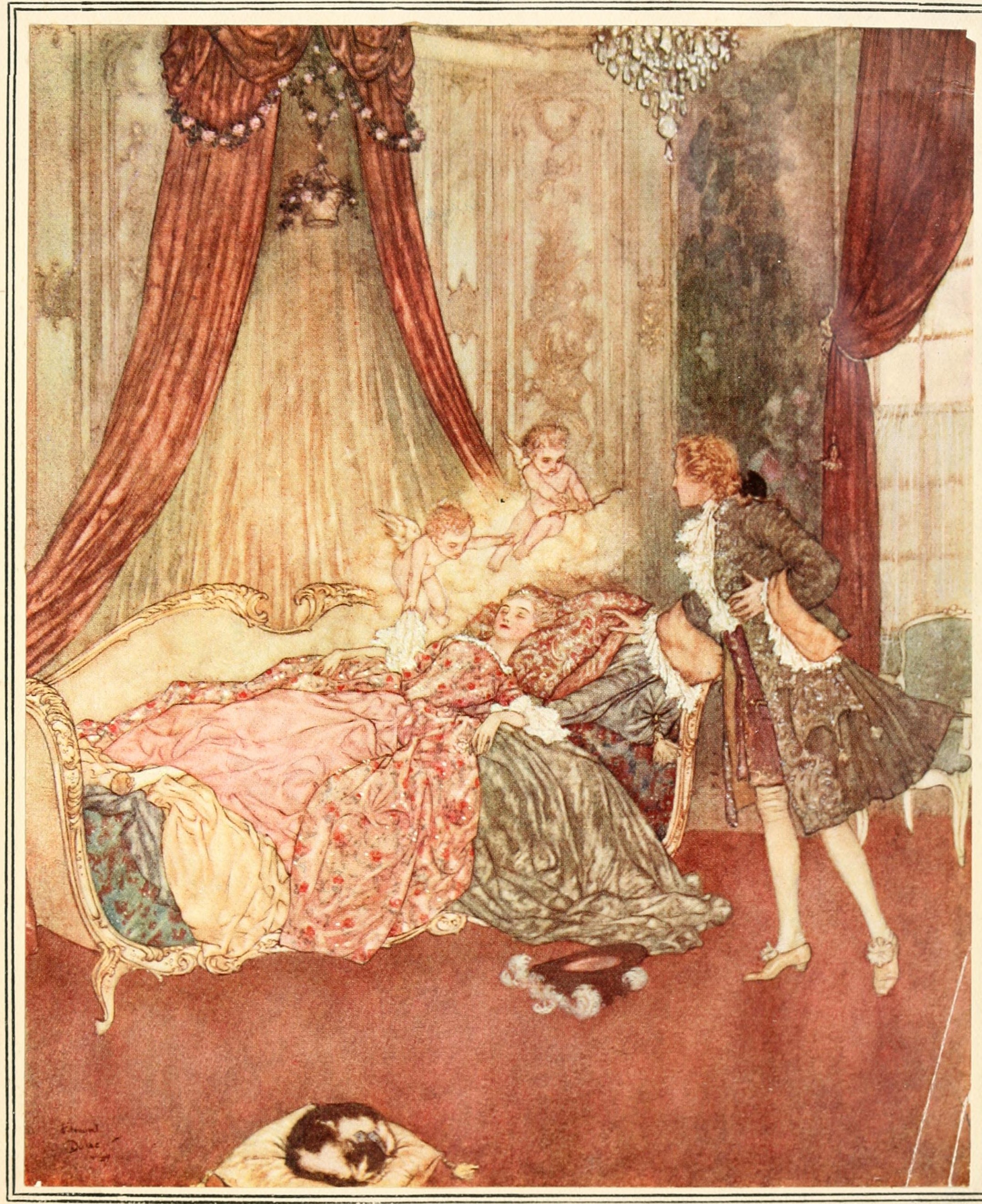
Muscles twitch when falling asleep because the brain can misread relaxation as falling. Learn why hypnic jerks happen, what triggers them

Older adults get more leg cramps because of muscle loss, tighter tendons, medications, and circulation changes. Here is what drives
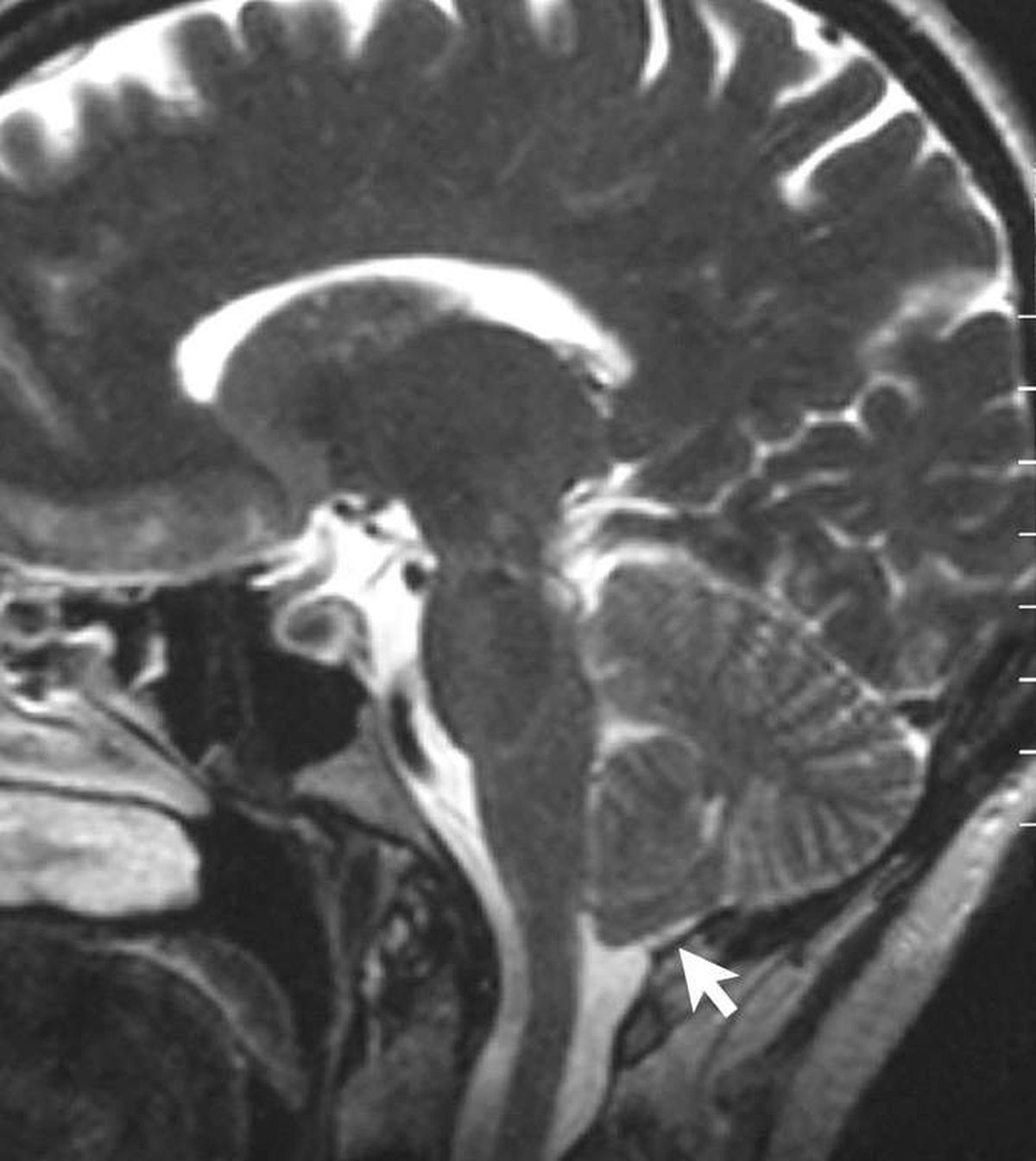
Adults with ADHD face four times the risk of dementia, a University of Pittsburgh study of 187,000 adults published in JAMA Psychiatry

Muscle cramps strike even well-hydrated athletes because sweat drains electrolytes that plain water cannot replace. Here is why water alone

A medium banana has 422 mg of potassium, but the evidence says it cannot stop cramps. Here is what the research shows, and what actually

A spasm is any involuntary muscle contraction; a cramp is a sustained, painful one. Learn how they differ, what causes each, and when

Most muscle cramps ease within minutes. See a doctor for cramps that are severe, frequent, or don't improve with self-care; go
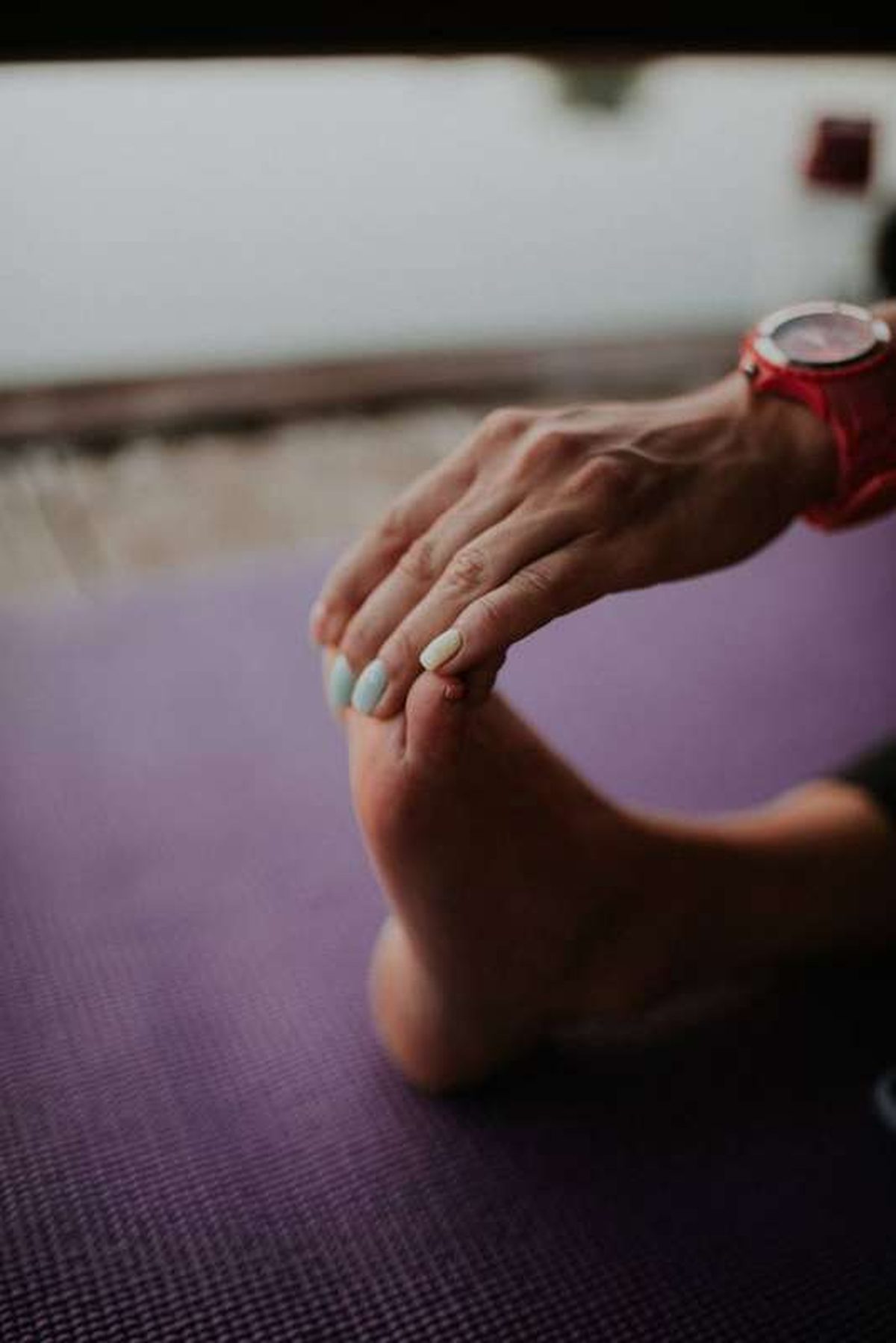
Foot cramps come from tight shoes, dehydration, or tired foot muscles, which is why legs stay calm. Most cases are harmless and respond
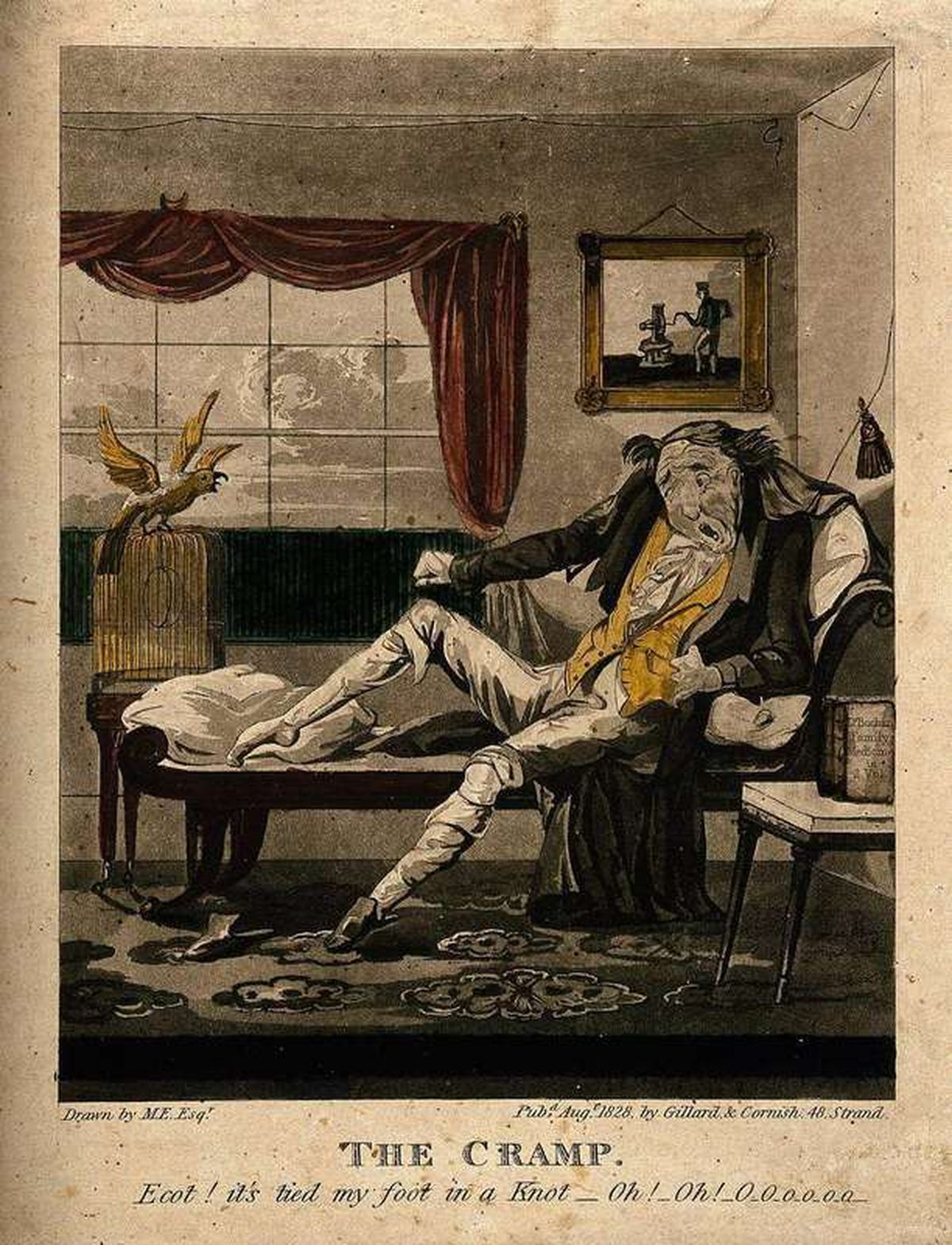
Research says dehydration is probably not why your legs cramp the day after a workout. What studies found, why next-day cramps happen,

Leg cramps cause painful muscle contractions, while restless legs syndrome brings an urge to move that eases only with motion. Here is how
Years of opioid use did not reduce pain in chronic back pain patients, a Northwestern study of 140 patients published in the journal Brain
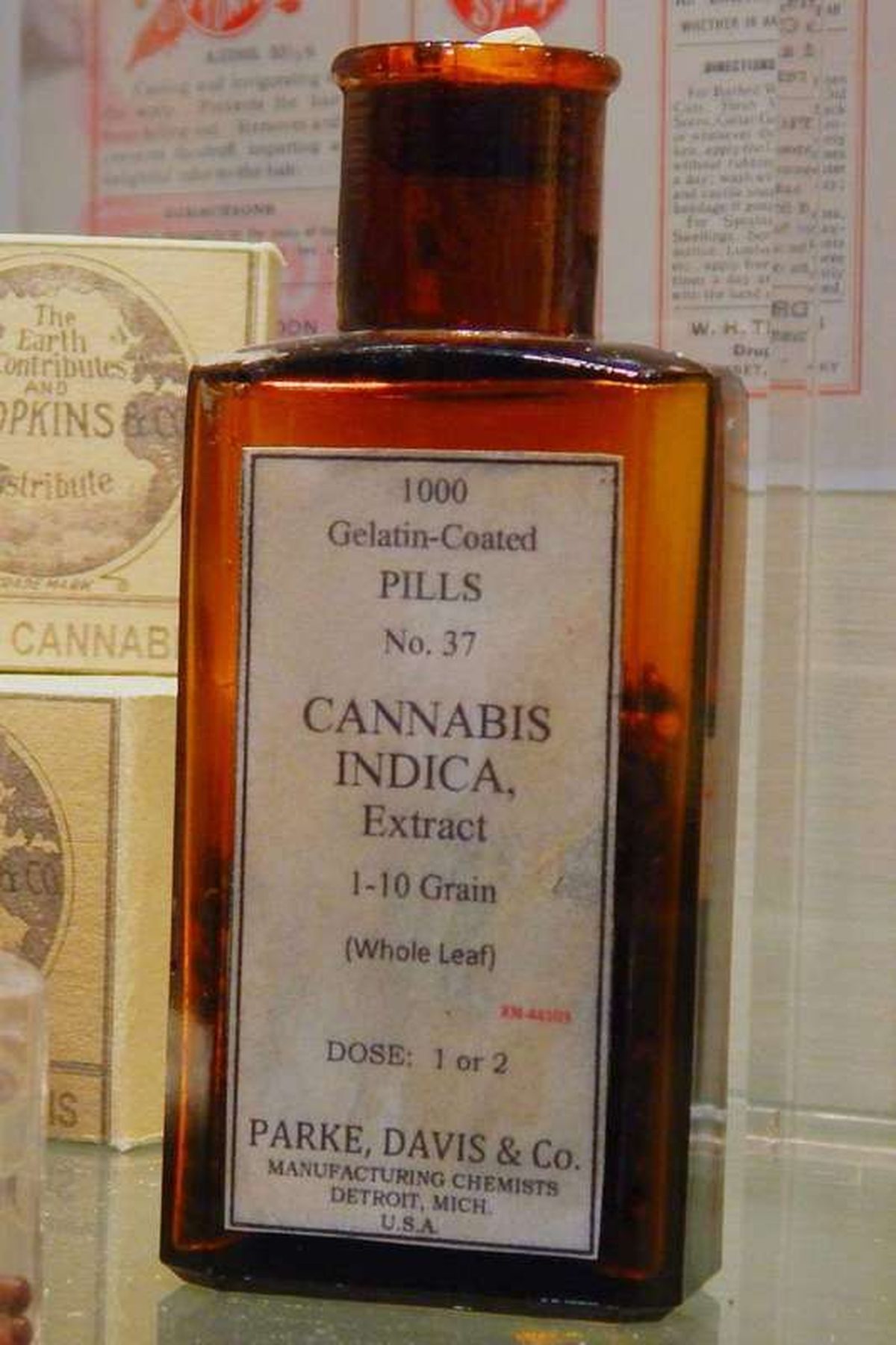
Statins, diuretics, and asthma inhalers are the drugs most often linked to muscle cramps in research. Here is the full list, the science
Yes, muscles often ache for hours or even days after a cramp. Mayo Clinic and Cleveland Clinic explain why the soreness happens and when

Swimming cramps come from cold water, muscle fatigue, and fluid loss you cannot feel. Here is what research says causes them and how

Leg cramps strike about two thirds of women in the third trimester. Researchers point to circulation, minerals, hydration, and hormones